
Coloured Stones


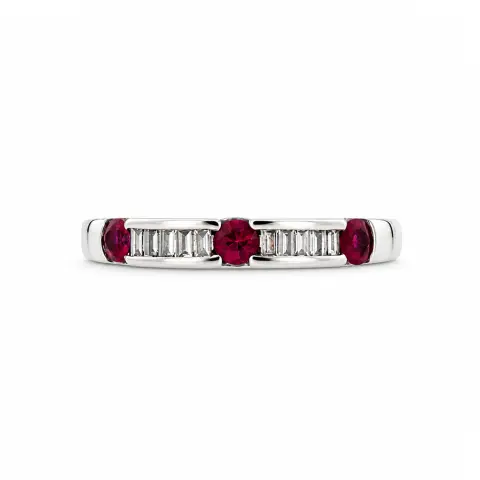
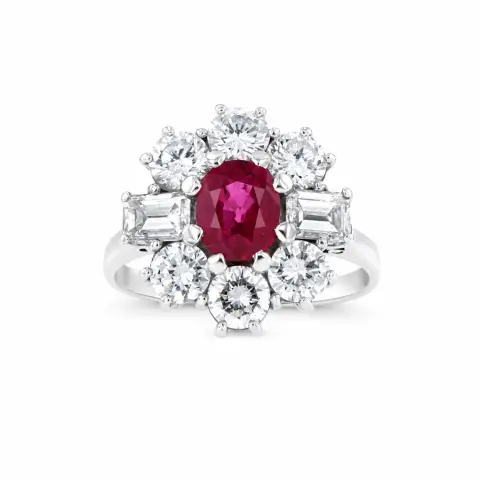
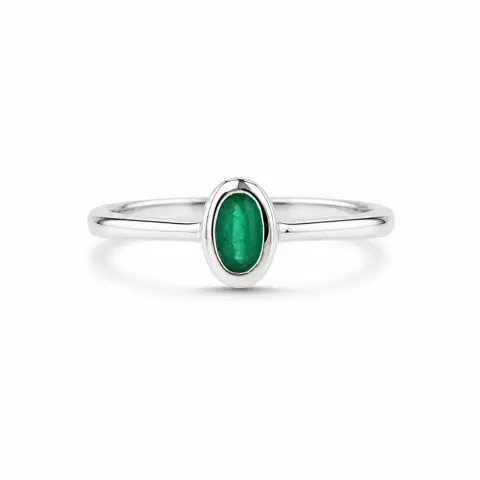
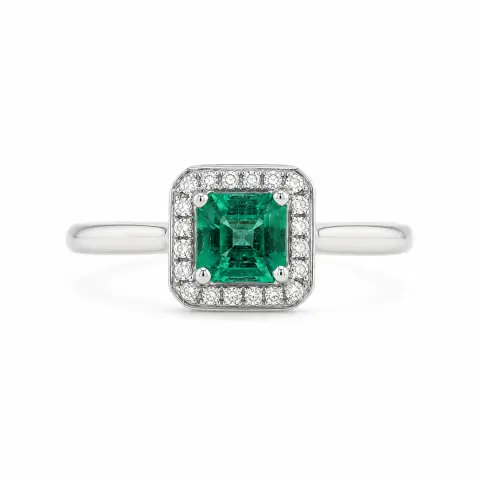
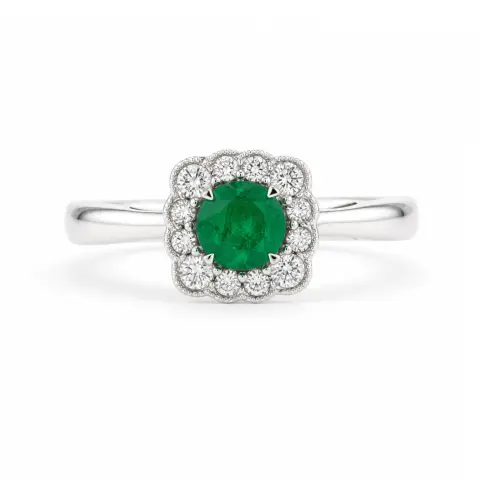
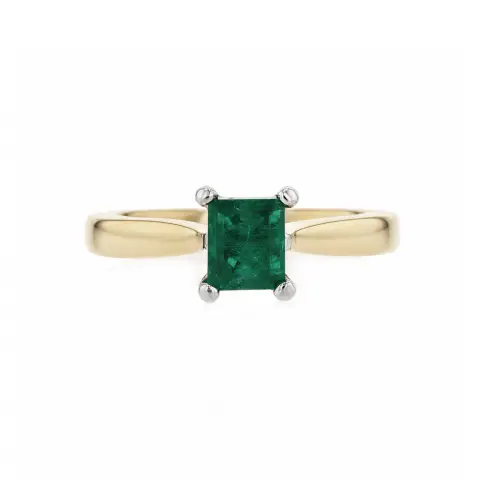
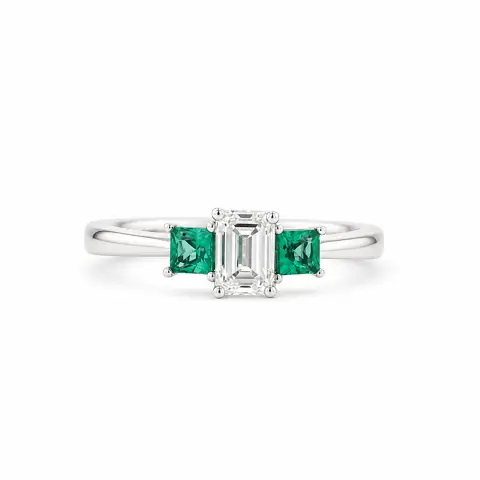
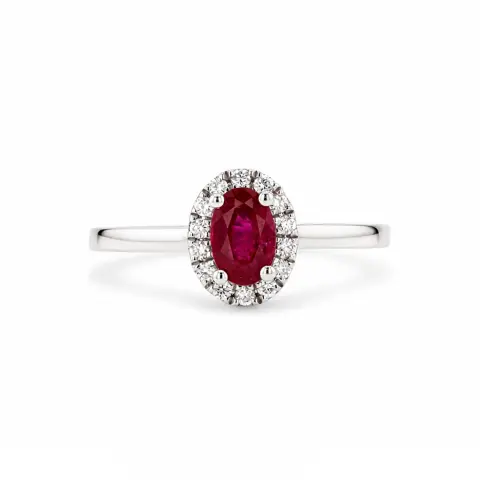
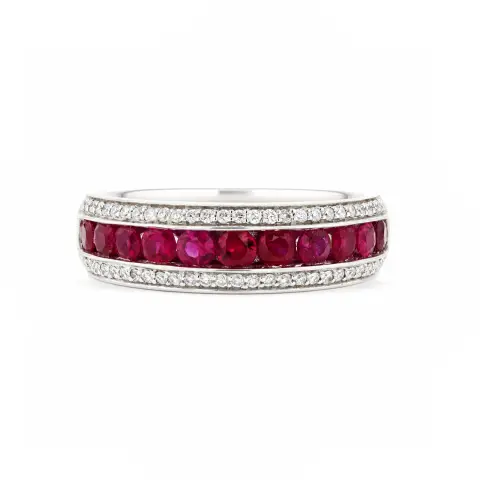
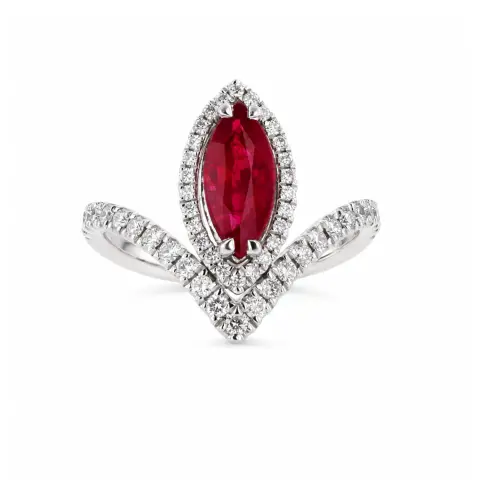
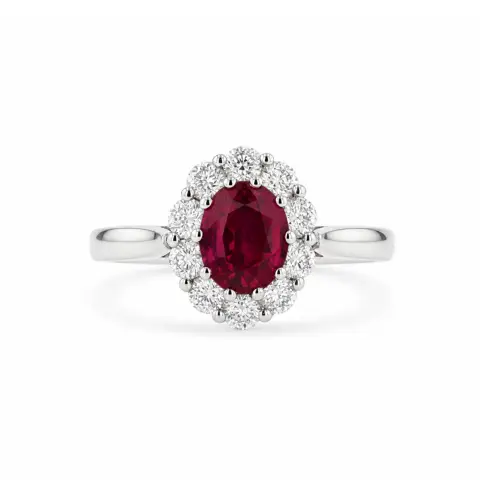

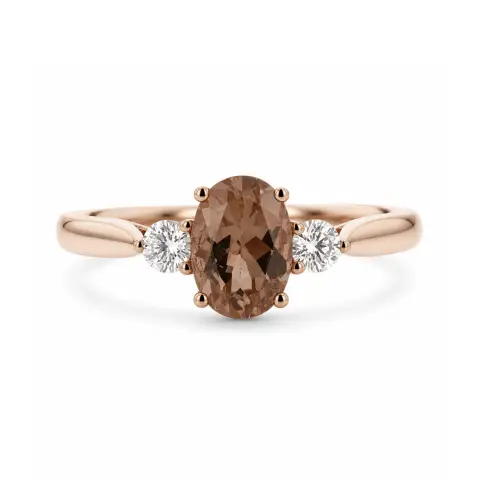
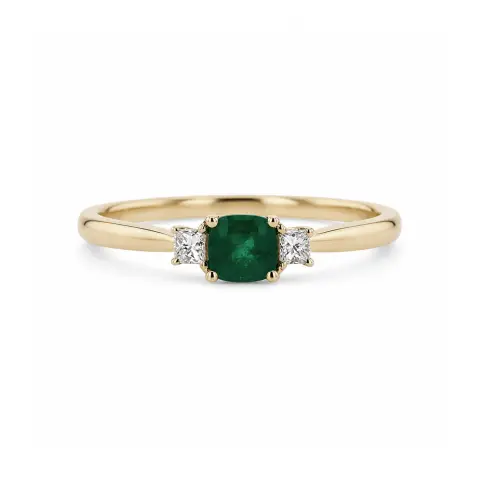


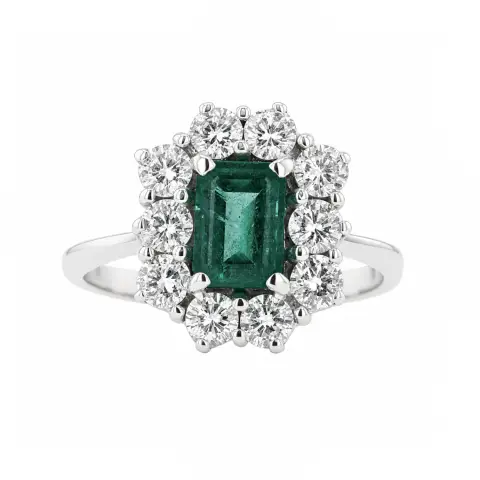
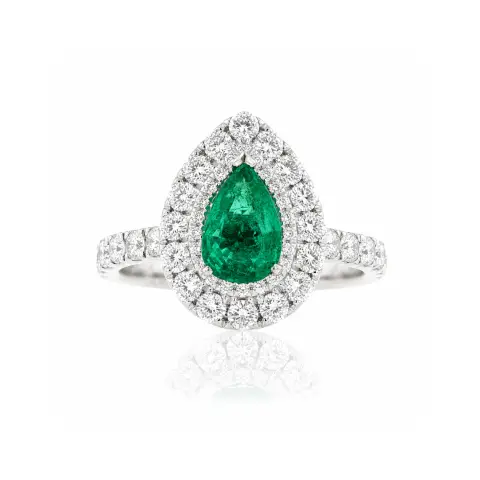
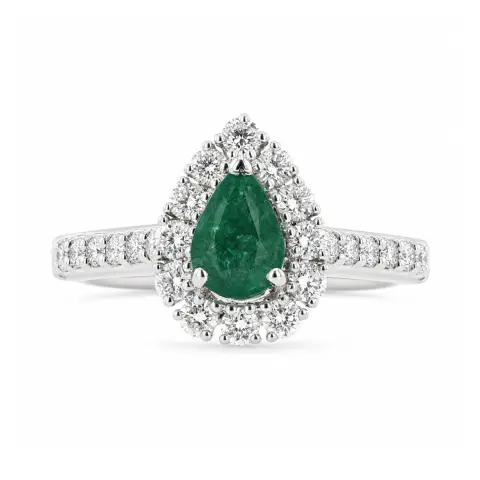
Coloured gemstones — sapphires, rubies, emeralds, and the wider spectrum of semi-precious stones — are some of the most rewarding purchases in fine jewellery. They are also some of the most misunderstood. Here is how to buy with confidence.
The big three: sapphire, ruby and emerald
Sapphires (Mohs 9) and rubies (corundum, Mohs 9) are the most practical coloured stones for daily-wear jewellery — tough, stable under light and heat, and available in a huge colour range. Sapphires come in blue, pink, yellow, teal, padparadscha and near-colourless varieties. Rubies are the red variety of the same mineral. Emeralds (beryl, Mohs 7.5-8) are softer and almost always contain internal fractures — they are beautiful but require more careful handling.
Beyond the big three: semi-precious stones
Aquamarine (Mohs 7.5-8, pale blue), tanzanite (Mohs 6-7, violet-blue, one source worldwide), opal (Mohs 5.5-6.5, play-of-colour), tourmaline (Mohs 7-7.5, every colour), and spinel (Mohs 8, historically confused with ruby) all make beautiful jewellery pieces. Hardness and stability determine wearability — harder stones (7+) are suitable for rings; softer stones are better in pendants and earrings.
Colour, treatment and certification
Colour is the primary value driver in coloured stones — saturation, hue and tone matter more than size. Most coloured stones are treated: sapphires and rubies are routinely heat-treated (industry standard and acceptable); emeralds are routinely oiled or resin-filled (disclose this to insurers). Untreated stones of significant quality command a premium and should come with a lab report from Gübelin, GRS, or the GIA Gem Lab.
What to ask before you buy
Ask whether the stone has been treated and how. Ask for a certificate on any stone above 0.50ct. Ask whether the colour is natural (not synthetic or simulant). We only stock natural, correctly-disclosed gemstones and will always tell you exactly what you're buying.
| Stone | Mohs hardness | Daily-wear ring? | Typical treatment |
|---|---|---|---|
| Ruby | 9 | Yes | Heat treatment (standard) |
| Sapphire | 9 | Yes | Heat treatment (standard) |
| Spinel | 8 | Yes | Usually none |
| Aquamarine | 7.5–8 | With care | Usually none |
| Emerald | 7.5–8 | Not recommended | Oiling / resin filling |
| Tanzanite | 6–7 | Occasional wear | Heat treatment (standard) |
| Opal | 5.5–6.5 | No | Stabilisation (some) |
Frequently asked
Are sapphires a good alternative to diamonds for an engagement ring?+
Yes — sapphires are the most practical coloured-stone choice for an engagement ring worn daily. At Mohs 9 they are second only to diamond in hardness, they come in a huge colour range, and a well-chosen sapphire can cost significantly less than a diamond of the same visual impact. The most famous example — Princess Diana's sapphire ring, now worn by Princess Catherine — has driven strong demand for blue sapphires in particular.
What does 'heat treated' mean for a sapphire or ruby?+
Heating corundum (sapphire and ruby) at high temperatures improves colour and clarity. It is a stable, permanent process that has been industry standard for decades and does not diminish value the way fracture filling or coating does. The large majority of commercial sapphires and rubies are heat treated. Unheated stones with a certificate command a significant premium.
How much does a sapphire engagement ring cost?+
A well-made oval blue sapphire ring in 18ct white gold with a 1.00ct centre stone starts around £1,800–£2,500. Fine Kashmir or Burma-origin unheated sapphires of the same size can reach £15,000+. The colour quality, origin, treatment status and setting complexity all drive the price.
Can emeralds be worn daily?+
With care — but they are not as robust as sapphires or diamonds. Emeralds are softer and almost universally contain internal fractures (called 'jardin') that make them more vulnerable to knocks. We recommend emeralds for dress rings, pendants and earrings rather than engagement rings worn every day.