
Lab Grown Diamonds
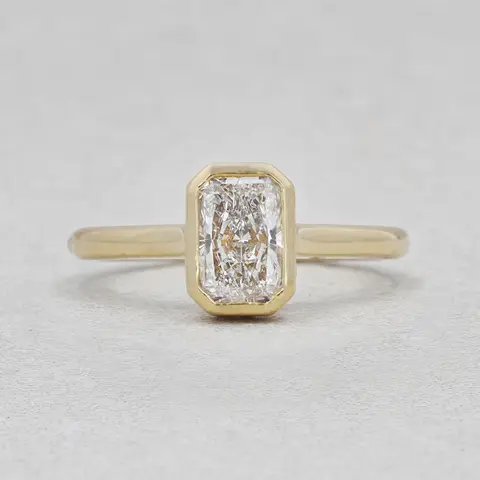
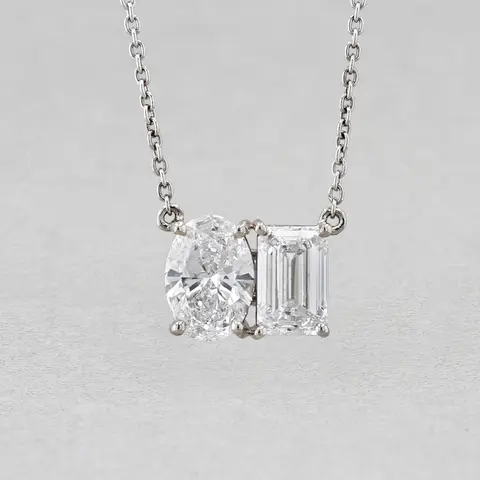

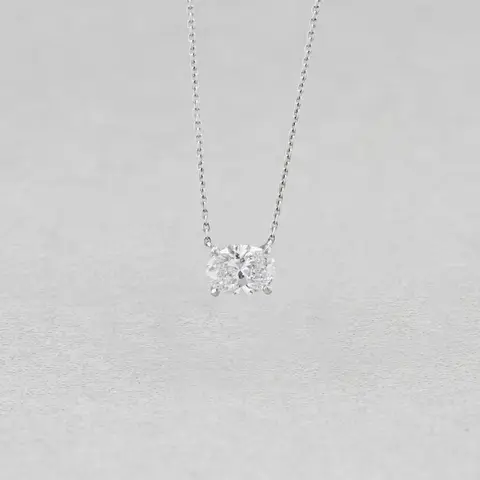
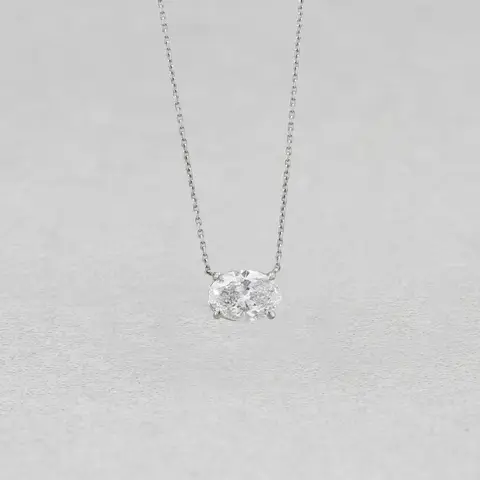

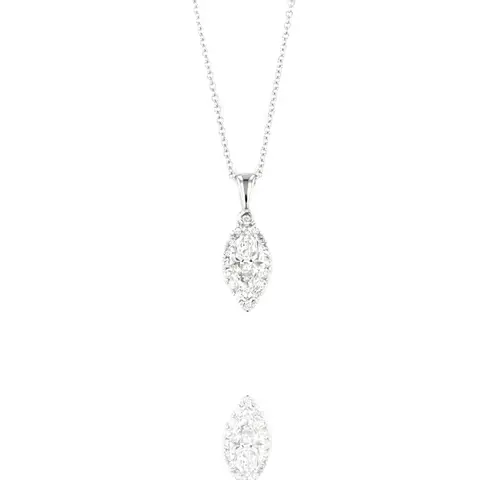
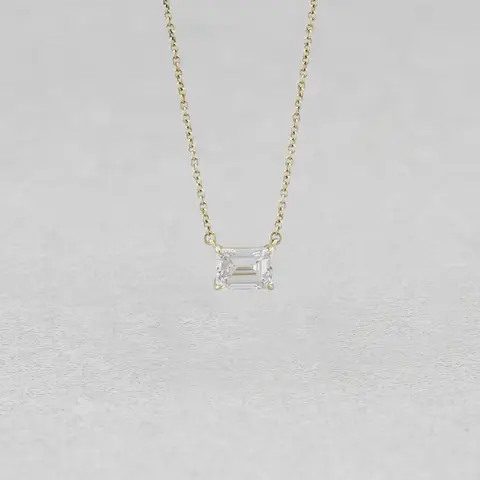
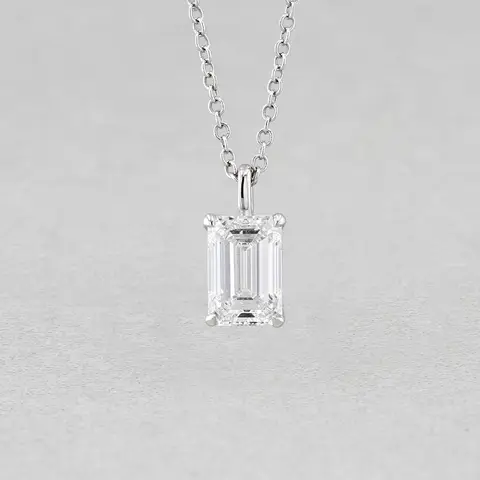
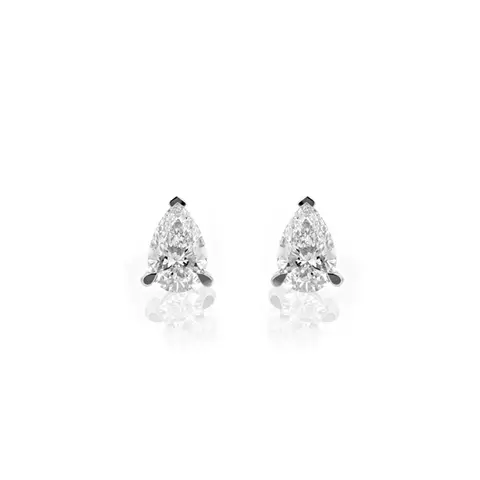
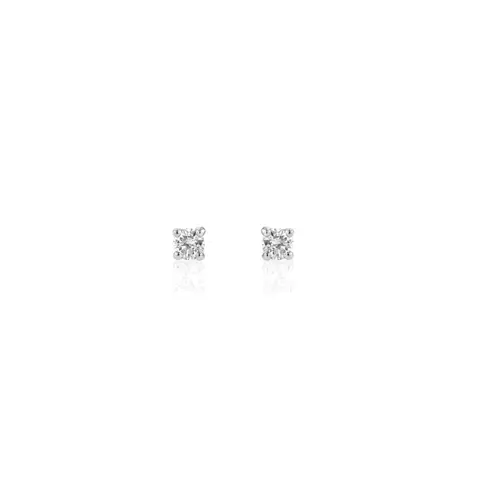
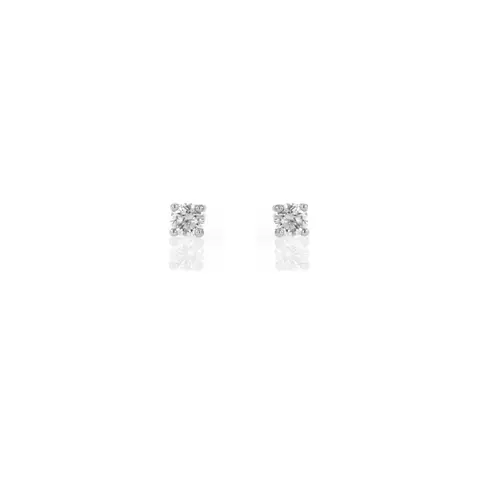
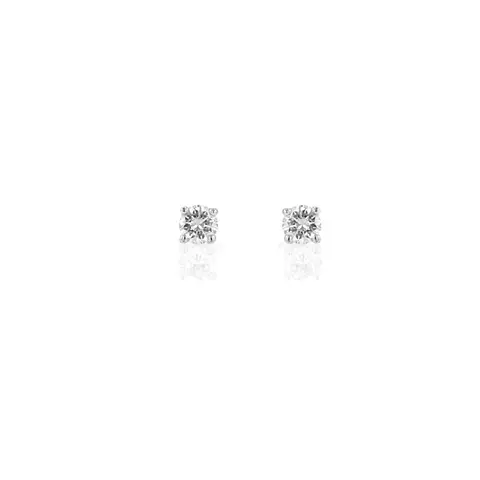
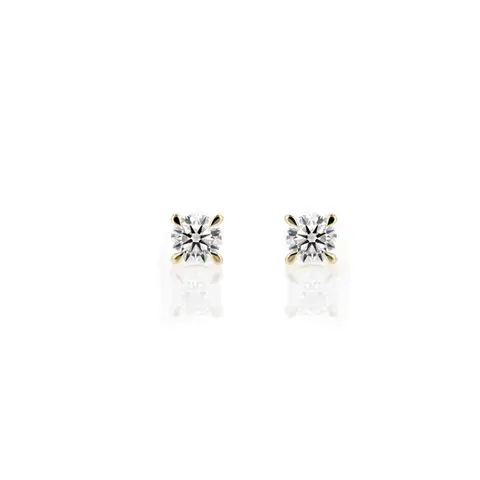
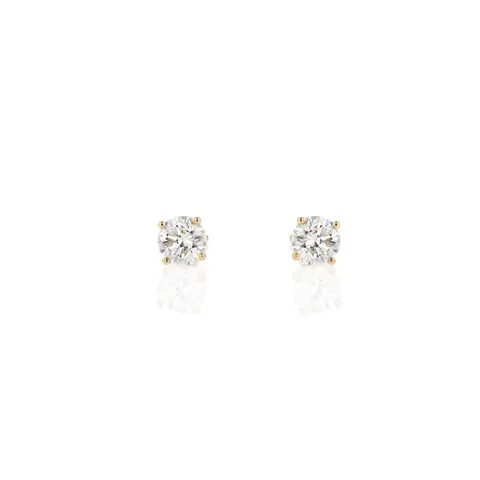
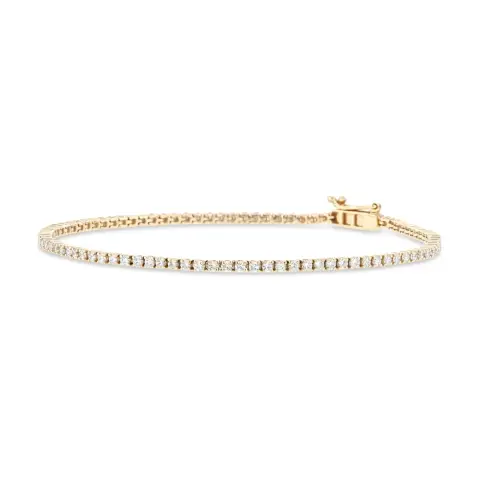
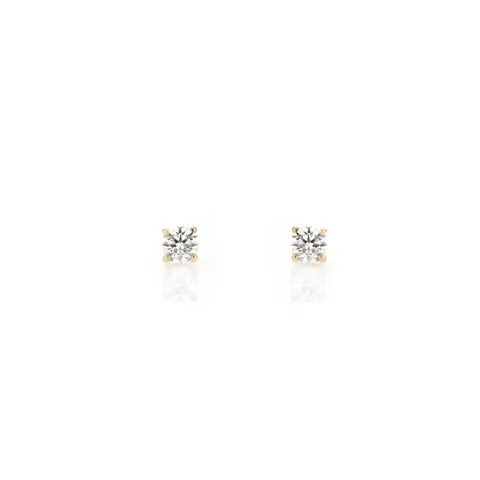
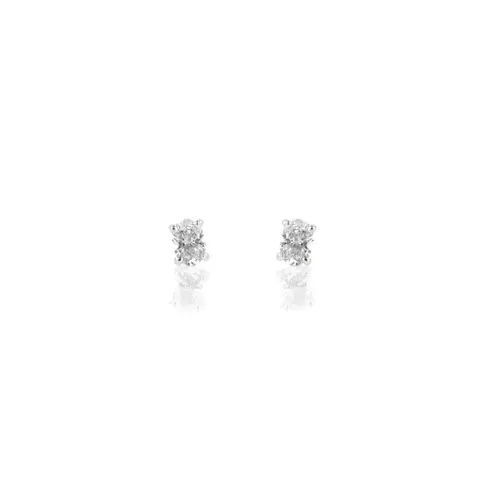
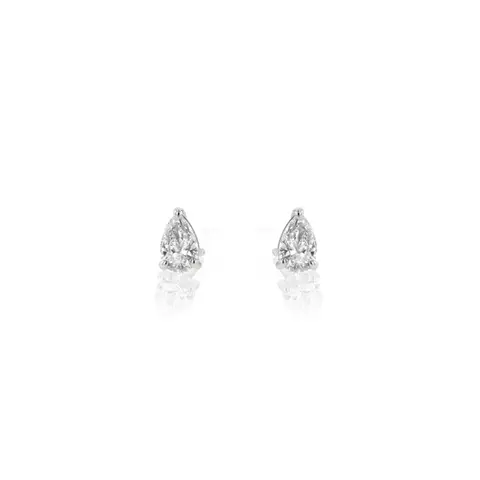
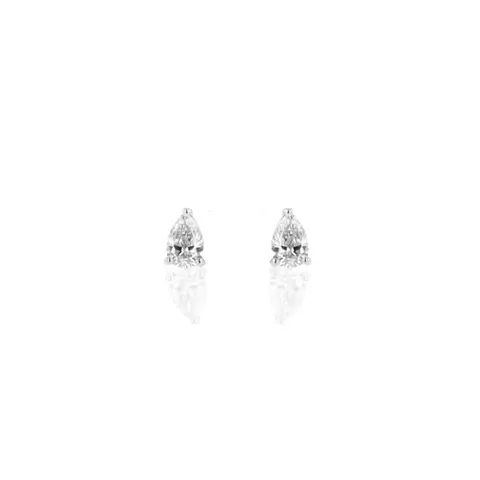
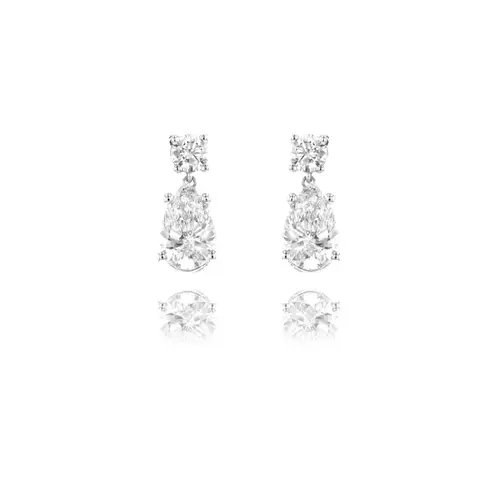
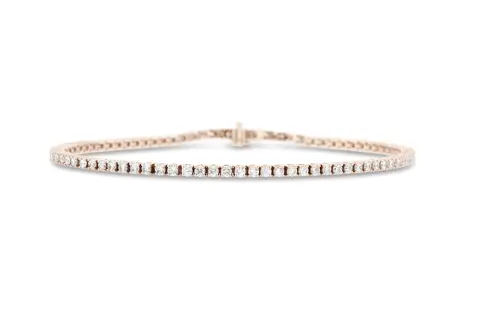
Lab-grown diamonds are not simulants — they are real diamonds, chemically and optically identical to mined stones. But they are a different buying decision. Here's an honest guide from a jeweller who sells both.
What is a lab-grown diamond?
A lab-grown diamond (also called lab-created or synthetic diamond) is produced in a controlled environment using one of two methods: High Pressure High Temperature (HPHT), which replicates the geological conditions that form natural diamonds, or Chemical Vapour Deposition (CVD), which grows diamond crystal layer by layer from a carbon-rich gas. The result is chemically, physically and optically identical to a mined diamond — the same crystal structure, the same hardness (Mohs 10), the same brilliance. Only specialist equipment can distinguish them.
Cost: the real savings
In 2026, a lab-grown diamond of the same cut, colour, clarity and carat weight as a natural stone typically costs 60–80% less at wholesale. That price gap has widened considerably over the past five years as production has scaled. For a 1.50ct F VS2 Excellent cut: natural might be £8,000–£12,000; lab-grown the same spec might be £2,200–£3,500. The saving is real and significant.
Resale value: the honest picture
Lab-grown diamonds currently have little to no resale market. The rapid fall in production costs means the stone you buy today at £2,500 may be replaceable for £1,200 in five years — making the 'asset' case for lab-grown very weak. Natural diamonds retain value better, though they are not investments in a strict sense either. If you plan to sell or upgrade, natural is a safer choice. If you plan to keep the ring forever, lab-grown's lower price frees budget for a larger stone or better metal.
Certification: IGI is the standard for lab-grown
The International Gemological Institute (IGI) is the most widely used certification lab for lab-grown diamonds. GIA also certifies lab-grown stones. We recommend a certified stone for any lab-grown diamond above 0.50ct — certification confirms the spec and, importantly, confirms it is indeed lab-grown (relevant for insurance and resale transparency).
| Factor | Natural diamond | Lab-grown diamond |
|---|---|---|
| Chemistry | Carbon crystal | Carbon crystal (identical) |
| Hardness | Mohs 10 | Mohs 10 |
| Brilliance | Same | Same |
| Price (1ct, F VS2 Ex) | £5,000–£10,000 | £1,500–£3,000 |
| Resale value | Moderate | Currently very low |
| Certification | GIA / IGI | IGI / GIA |
| Environmental footprint | Mining impact | Energy-intensive production |
Frequently asked
Are lab-grown diamonds real diamonds?+
Yes. A lab-grown diamond is chemically, physically and optically identical to a mined diamond. It is not a simulant (like moissanite or cubic zirconia). The only practical difference is origin — and the price that follows from it.
Should I buy a lab-grown or natural diamond?+
It depends on your priorities. If you want the largest, most impressive diamond for your budget and plan to keep the ring forever, lab-grown is sensible — you can buy a visually stunning 1.50ct lab stone for what a 0.70ct natural would cost. If you care about long-term resale value or provenance, natural is the safer choice. We will never push you either way — we'll lay out the honest trade-offs and let you decide.
Do lab-grown diamonds hold their value?+
Currently, no. The rapid expansion of production capacity has driven lab-grown prices down sharply and there is little secondary market. We don't expect that to change significantly in the near term. Buy a lab-grown diamond because you want a beautiful ring, not as an investment.
What certification should a lab-grown diamond have?+
IGI (International Gemological Institute) is the most widely accepted certificate for lab-grown stones. GIA also certifies lab-grown diamonds. We avoid uncertified lab-grown stones above 0.30ct — certification confirms the spec and discloses origin clearly.
Can you tell a lab-grown diamond from a natural one by eye?+
No — not by eye, and not with standard jeweller's equipment. Advanced spectroscopy equipment is required to distinguish them. This is precisely why certification from a reputable independent lab matters.