
Necklaces & Pendants
Delicate diamond pendants, lockets and considered everyday chains in 9ct, 18ct gold and platinum.
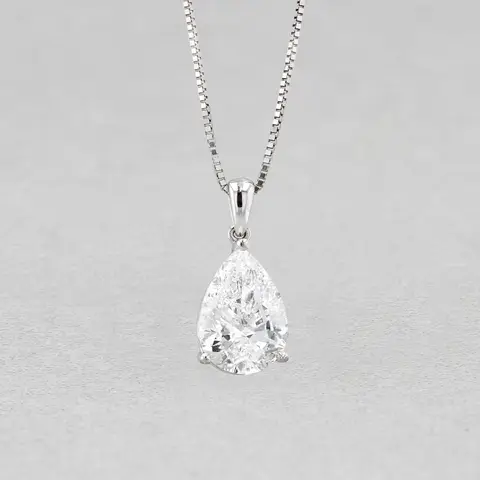
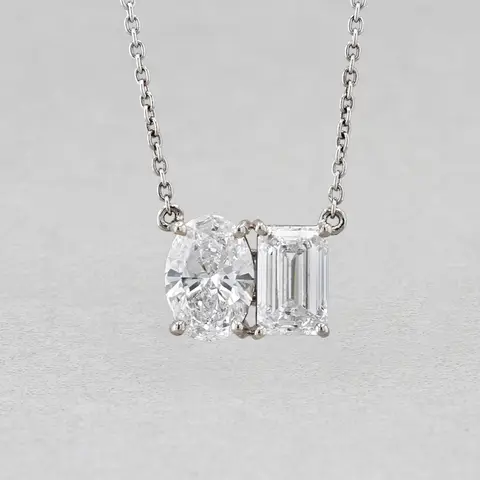
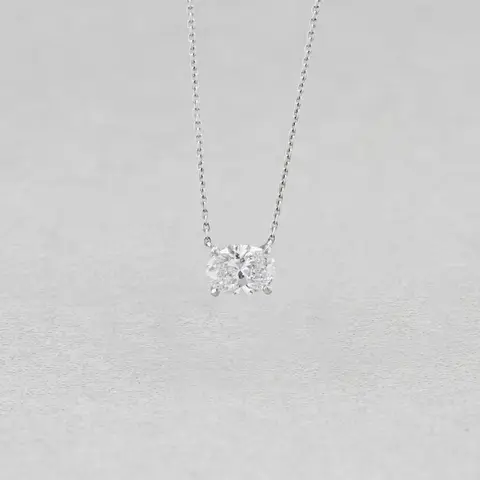
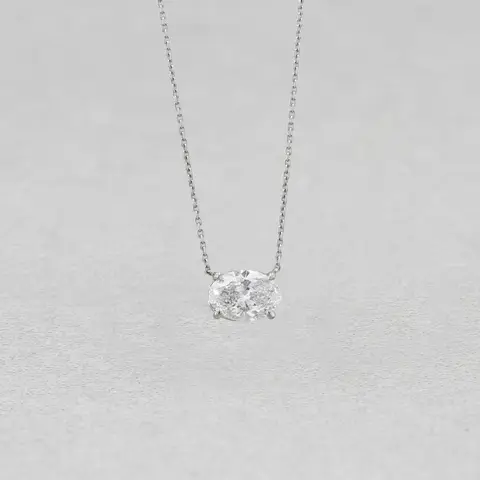
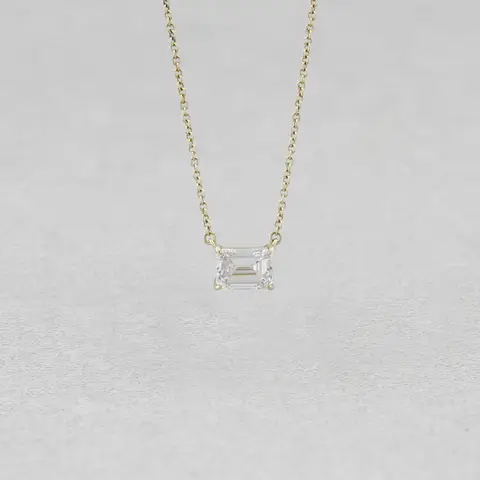
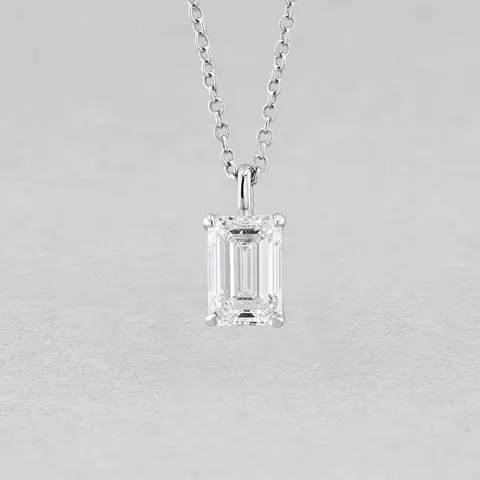
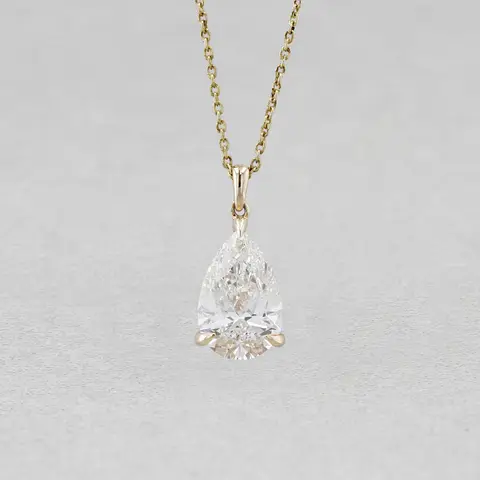
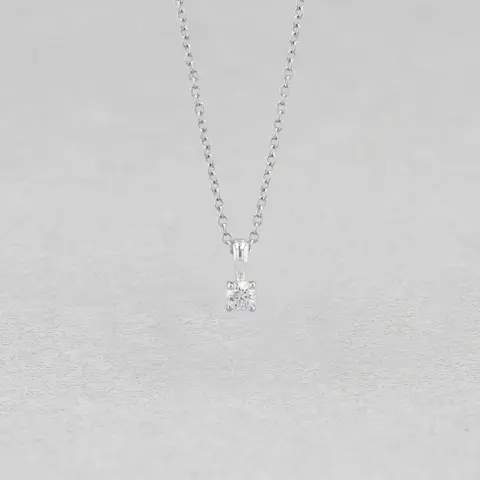
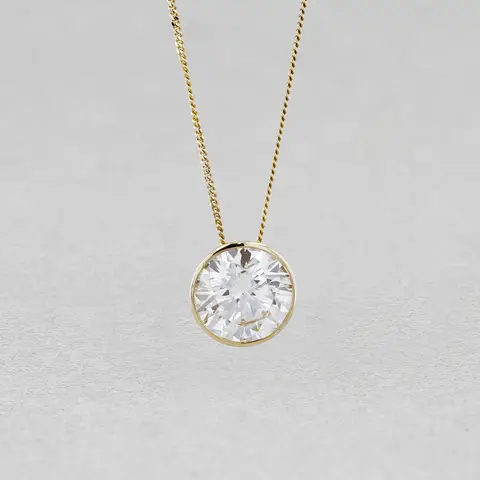
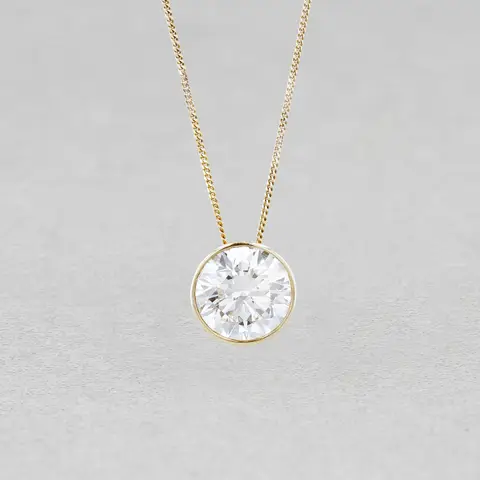
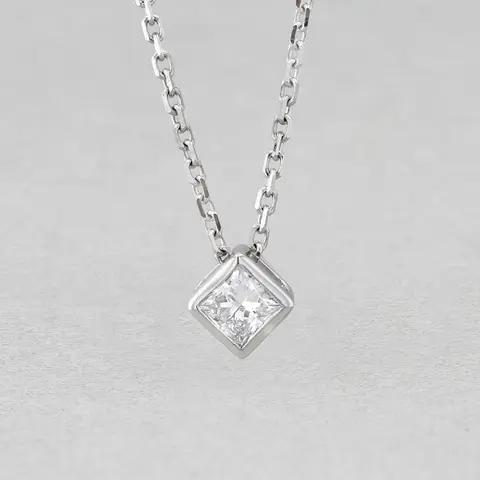
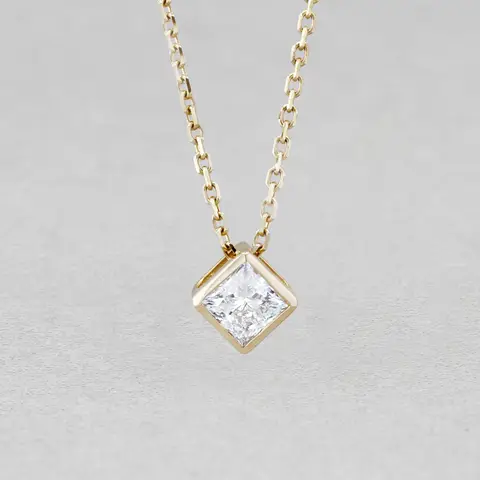
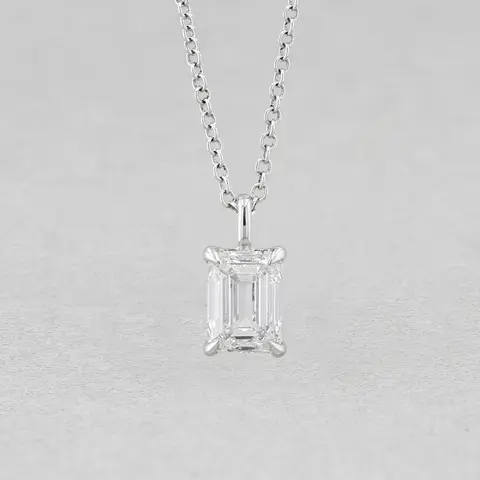
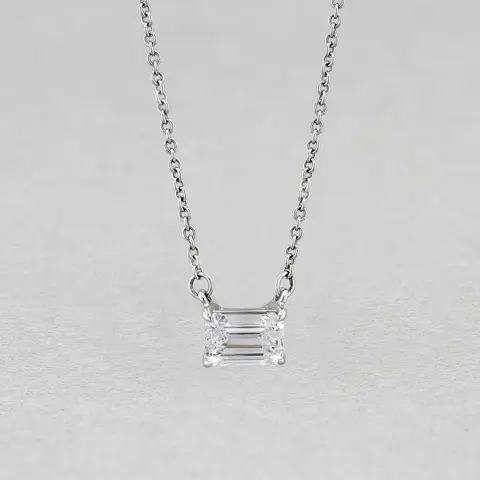
The chain you wear every day has to do two jobs: look right and survive. Gauge, link type and clasp matter more than headline weight. Here's the in-house guide to choosing a chain that lasts, from our Stirling showroom.
Link types: trace, belcher, curb, rope & box
Trace chains are fine and delicate — elegant but easy to kink. Belcher (rolo) chains use round links and carry a pendant well. Curb chains have flattened, interlocking links and are the most robust everyday choice. Rope chains resist kinking and catch the light beautifully but are harder to repair. Box chains are smooth and modern but can crease if bent sharply. Match the link to how hard the chain will be worn.
Gauge: why thickness matters
Gauge (the thickness of the wire the links are made from) decides how strong a chain is. A 0.8mm chain is fine for a light pendant on an adult; 1.1-1.5mm is the sensible everyday gauge; 2mm and above reads as a statement chain or a men's chain. A chain that's too fine for its pendant will stretch, kink and eventually snap — we always pair gauge to pendant weight.
Length & layering
16 inches sits at the throat, 18 inches just below the collarbone (the most versatile), 20-22 inches lower on the chest. Layering looks best with a 5cm gap between chains so they don't tangle — typically 16in + 18in + 20in. We hold the full range of lengths in store and adjust or replace chains free on pieces bought from us.
Metal & colour
9ct gold is harder and better suited to a chain worn daily; 18ct gold is richer in colour but softer. Platinum chains are the most durable but heavy and costly. Silver is the affordable everyday metal but tarnishes and is softer. White, yellow and rose tones should match the pendant — we'll help you choose a chain that complements rather than competes.
Clasps, bails & care
Lobster (trigger) and bolt-ring clasps are the most secure; spring rings suit lighter chains. Check the bail (the loop carrying the pendant) is soldered closed. Store chains hung up or laid flat rather than dropped in a box to avoid knots; clean with warm soapy water and a soft cloth. Bring chains in once a year for a free clasp check — most snaps start at a worn clasp or an open jump ring.
Frequently asked
Which chain type is the most hard-wearing?+
Curb chains are the most robust for everyday wear — the flattened, interlocking links resist kinking and twisting. Belcher chains are also strong and carry a pendant well. Fine trace and box chains are more delicate and better suited to occasional wear.
What gauge of chain do I need for a pendant?+
Match the gauge to the pendant weight. A light pendant is fine on a 0.8-1.0mm chain; a medium pendant needs 1.1-1.5mm; a heavy pendant wants 1.5mm or more. Too fine a chain for the pendant will stretch and eventually snap. We pair the two for you in store.
How do I stop my chain from tangling?+
Store it hung up or laid flat, fastened, rather than loose in a box. Curb and rope chains resist kinking best. When layering, leave about 5cm between lengths so they sit apart rather than wrapping around each other.
Can a snapped chain be repaired?+
Usually, yes. We solder broken links, replace clasps and re-attach bails in our Stirling workshop, typically from £20. Very fine or hollow chains can be harder to repair invisibly; we'll always tell you honestly before quoting.
Is 9ct or 18ct gold better for a chain?+
For a chain worn every day, 9ct is the more practical choice — it's harder and more scratch- and stretch-resistant. 18ct has a richer colour and is the better choice for an occasion piece or where colour depth matters most.