
Pendants & Collars
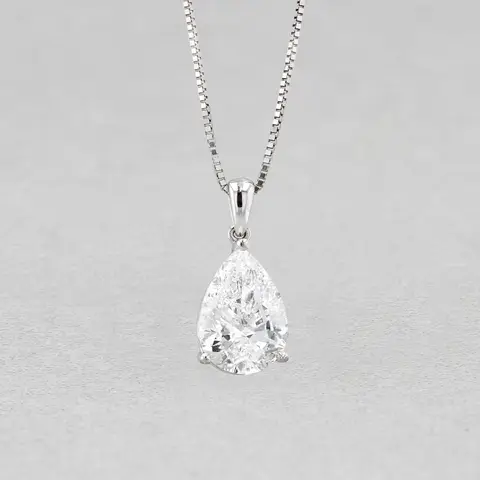
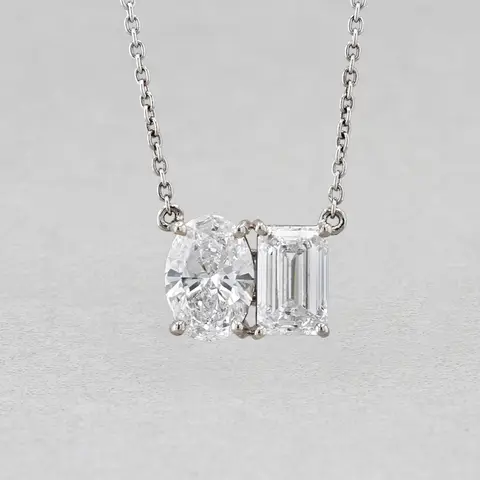
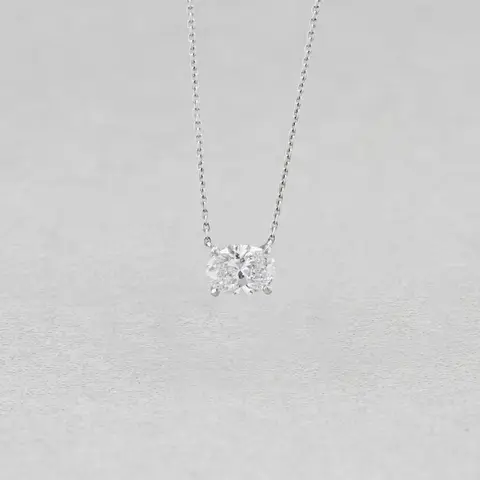
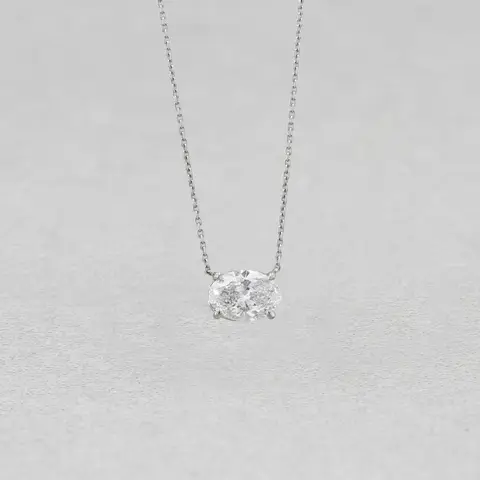
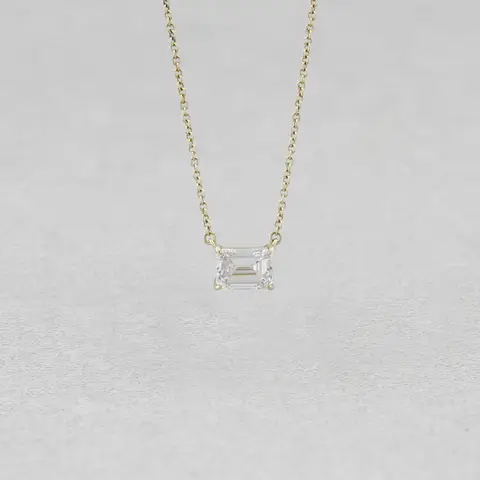
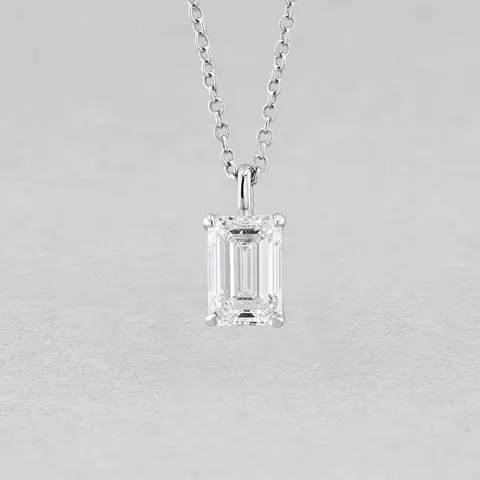
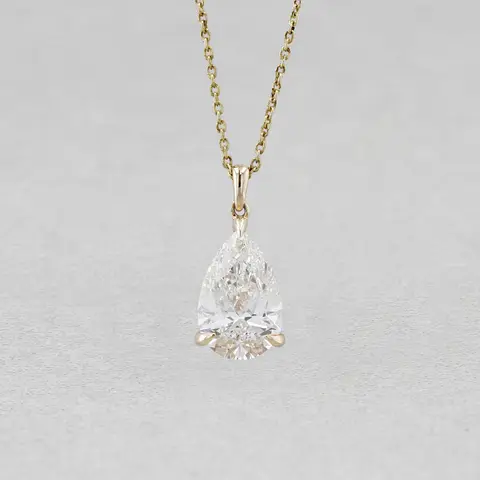
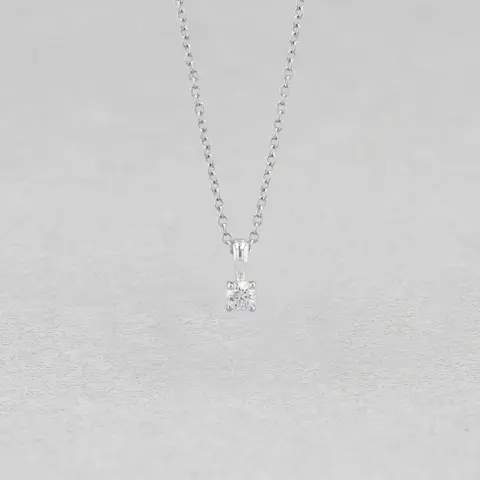
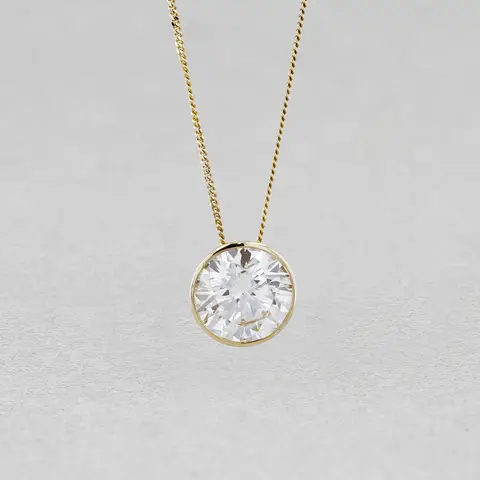
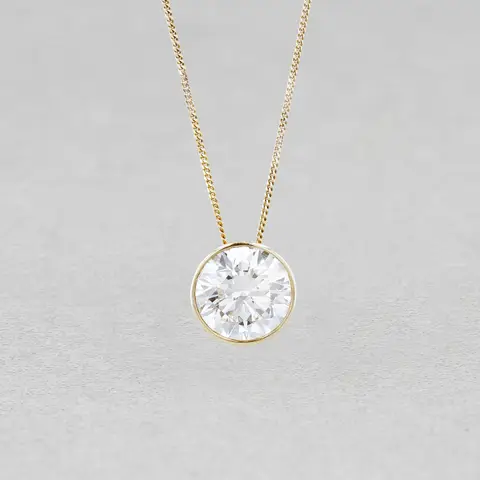
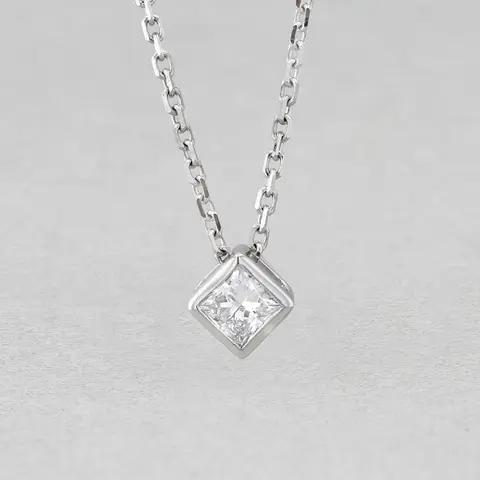
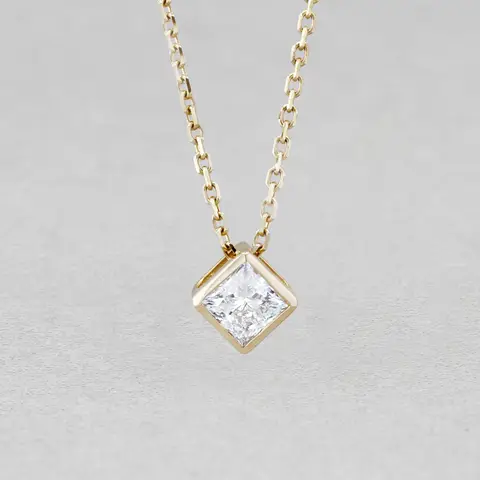
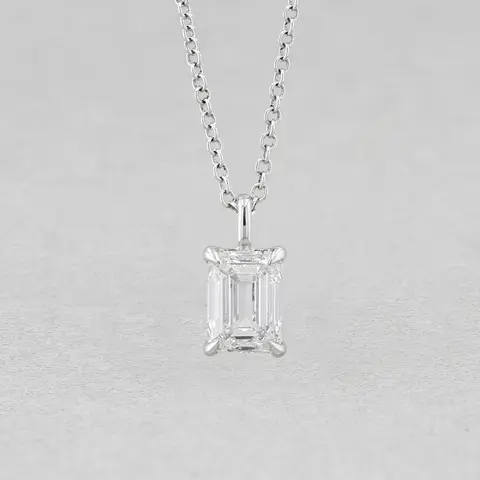
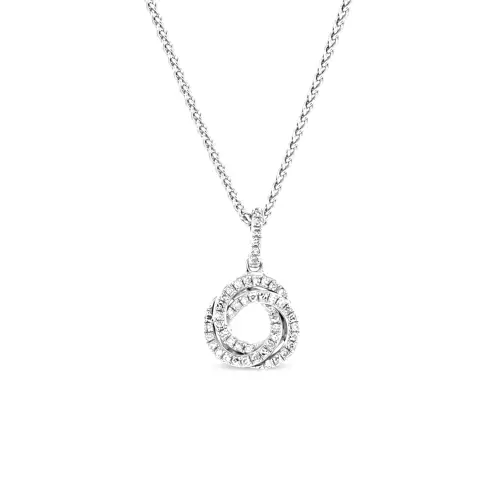
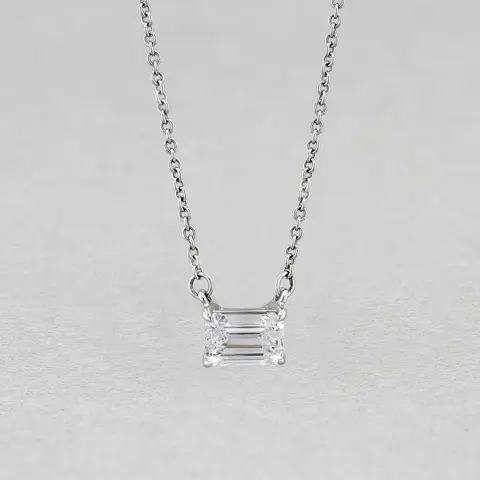
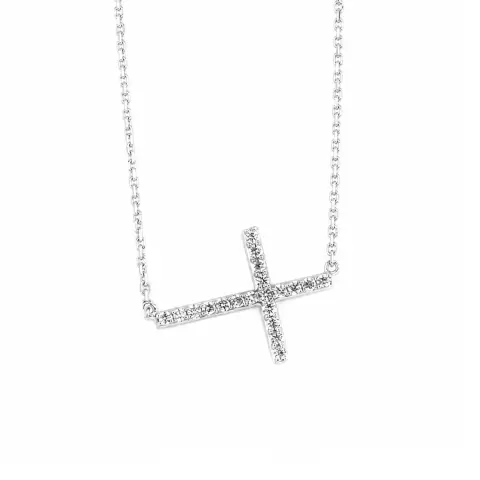
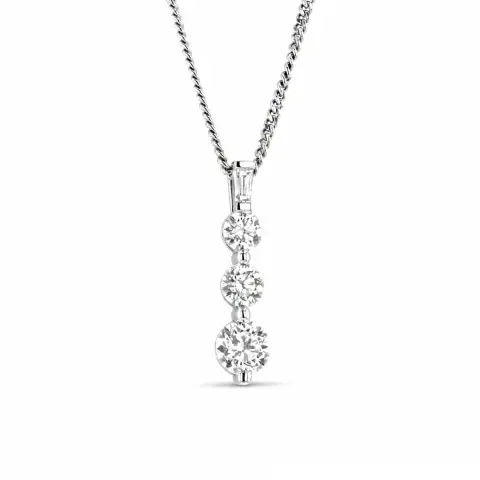
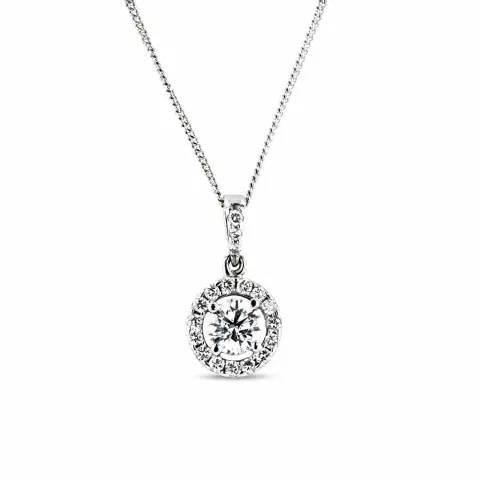
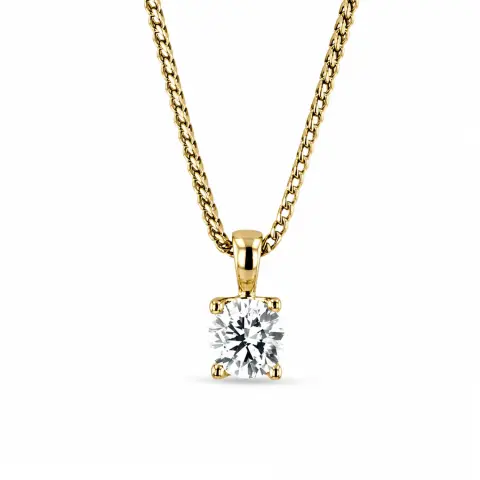
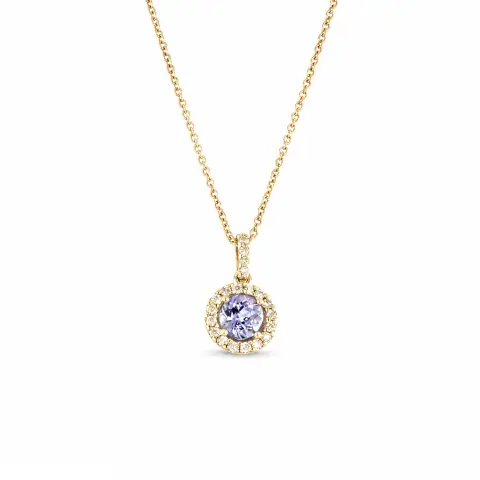

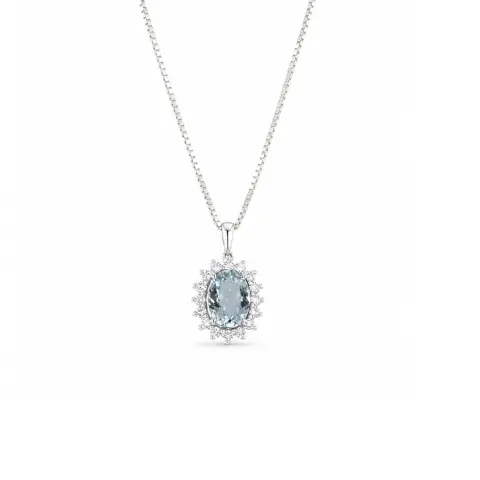

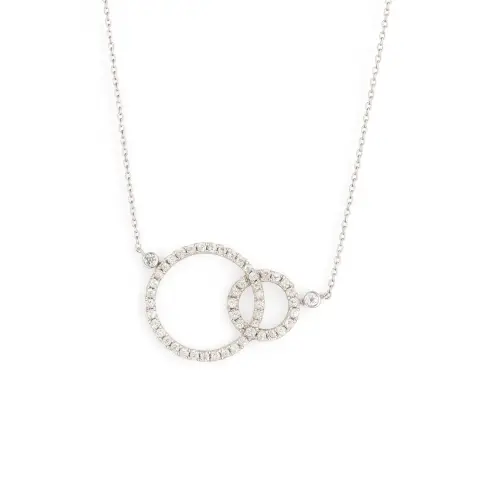
A pendant is the most-gifted piece of fine jewellery we sell — and the most forgiving to buy, since it doesn't depend on ring size. Chain length, clasp security and metal matching are what separate a piece worn every day from one that lives in a drawer. Here's what we tell clients across the Stirling counter.
Chain length: where the pendant sits
Chain length decides where the pendant falls and what necklines it suits. A 16-inch (40cm) chain sits at the base of the throat (a 'choker' length); 18 inches (45cm) is the most popular all-rounder, resting just below the collarbone and flattering most necklines; 20-22 inches (50-55cm) sits lower on the chest and layers well. We hold every standard length in store so you can try a pendant at each before deciding — and we adjust or replace chains free on any piece bought from us.
Pendant style: solitaire, halo, cluster or locket
A single-stone (solitaire) diamond pendant is the timeless everyday choice. A halo pendant frames the centre stone with smaller diamonds for more presence at a given carat weight. Cluster and 'journey' pendants spread several stones for sparkle without a single large stone's cost. Lockets and initial pendants are the sentimental choice — popular for christenings, memorials and milestone gifts.
Metal & chain gauge
Match the chain metal to the pendant: 18ct white gold or platinum for a white look, 18ct yellow or rose gold to warm it. The chain gauge (thickness) matters more than people expect — a fine 0.8mm trace chain looks delicate but is easy to kink, while a 1.1-1.5mm belcher or curb chain carries a heavier pendant safely. We size the chain to the weight of the pendant so it hangs correctly and won't snap.
Clasps & security
Spring-ring clasps are standard and reliable for lighter pieces. Bolt-ring and lobster (trigger) clasps are more secure and easier to fasten one-handed — worth specifying if dexterity is a concern. For valuable pendants we fit a figure-of-eight safety catch. Check the jump ring (the loop the pendant hangs from) is soldered closed, not just bent shut — an open jump ring is the single most common cause of a lost pendant.
Materials & care
Gold and platinum pendants need little maintenance beyond an occasional clean — warm water, a drop of washing-up liquid and a soft brush, rinsed and patted dry. Take pendants off before swimming (chlorine attacks gold alloys) and before bed (chains tangle and kink against pillows). Bring chains in for a free clasp and jump-ring check once a year; a worn clasp is a five-minute fix and far cheaper than replacing a lost stone.
| Length | Sits at | Best for |
|---|---|---|
| 16in / 40cm | Base of the throat | Higher necklines, layering top |
| 18in / 45cm | Just below collarbone | Most versatile, everyday pendants |
| 20in / 50cm | Top of the chest | Lower necklines, heavier pendants |
| 22in / 55cm | Mid-chest | Layering, longer drop pendants |
Frequently asked
What is the most popular necklace length in the UK?+
18 inches (45cm) is by far the most popular length — it sits just below the collarbone and suits almost every neckline and pendant style. 16 inches sits higher at the throat; 20-22 inches sits lower and layers well over knitwear.
How much should I spend on a diamond pendant?+
A 0.10ct single-stone diamond pendant in 9ct or 18ct white gold starts from around £250 including a chain. A 0.25ct pendant starts around £550, and a 0.50ct from around £1,200 for an SI G stone. Halo and cluster designs give more visual size for the same budget.
Can I buy the pendant and chain separately?+
Yes. Many clients already own a chain they love, or want a heavier chain than the one supplied. We sell pendants and chains separately and will check the chain gauge is strong enough to carry the pendant safely before you buy.
What chain is least likely to break or tangle?+
Belcher and curb chains in a 1.1mm gauge or heavier are the most robust and least prone to kinking. Fine box and trace chains look elegant but kink more easily; rope chains resist kinking but can be harder to repair if they do break.
Can a broken chain be repaired?+
Almost always. We solder broken links, replace worn clasps and re-attach jump rings in our Stirling workshop. Bring it in for a free, no-obligation assessment and we'll quote the repair on the spot before any work begins.