
Stud
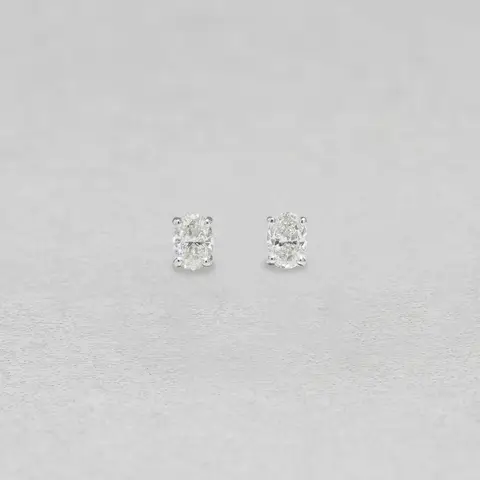
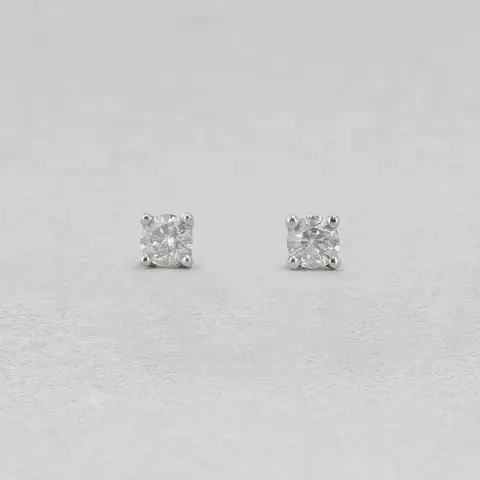
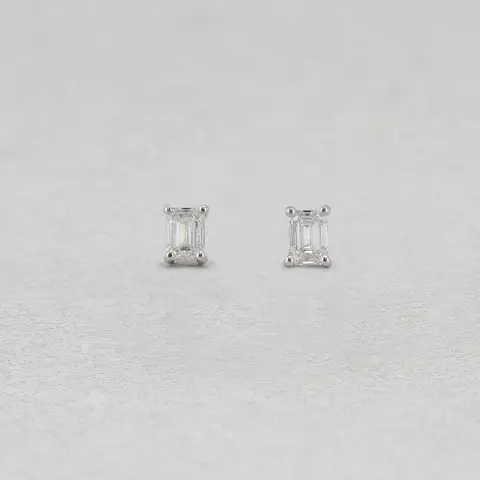
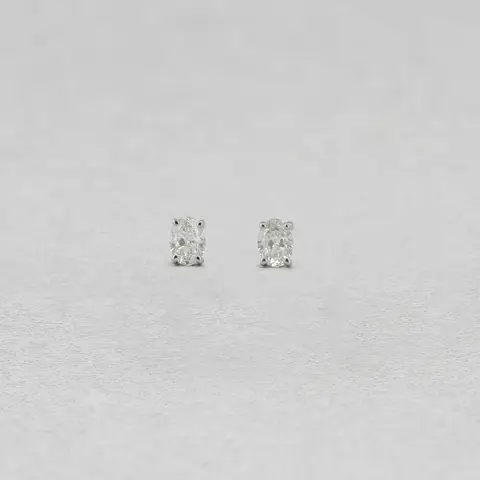
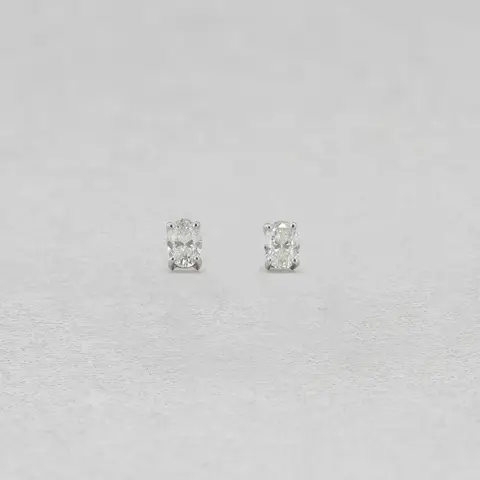
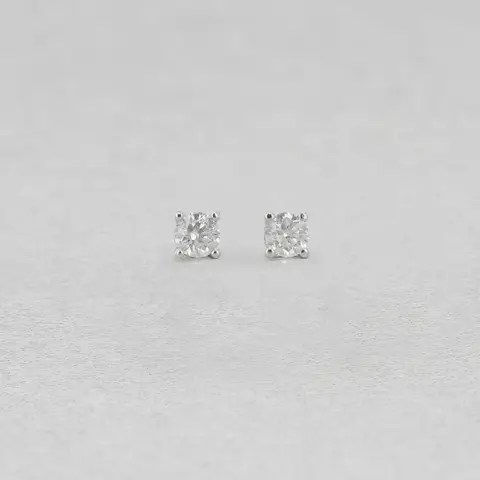
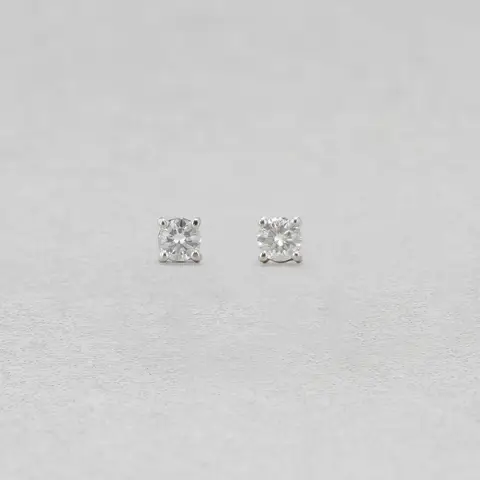
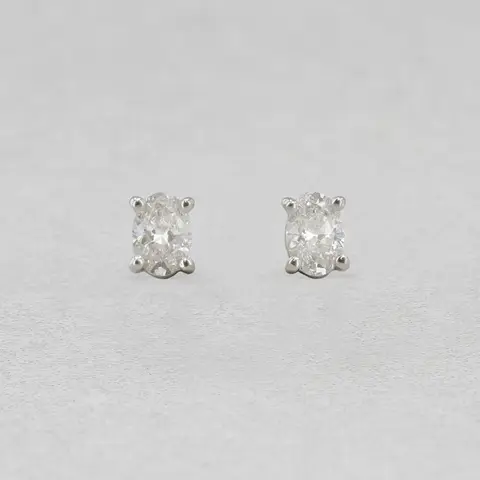
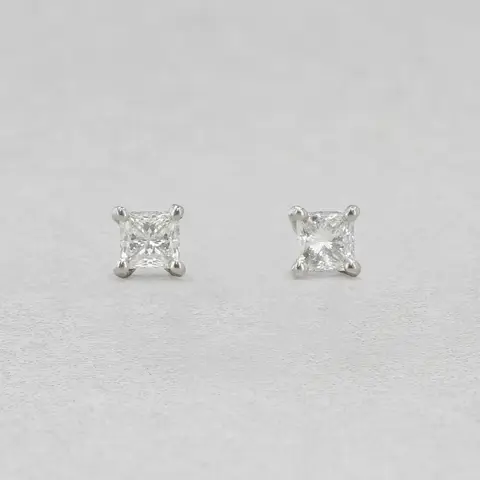
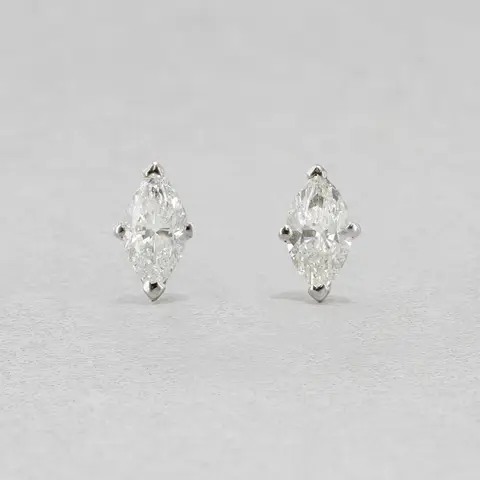
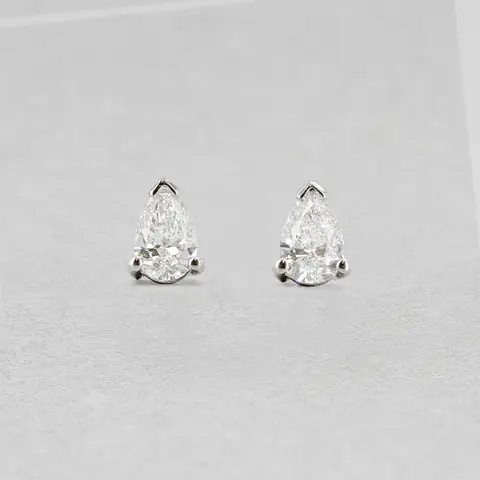
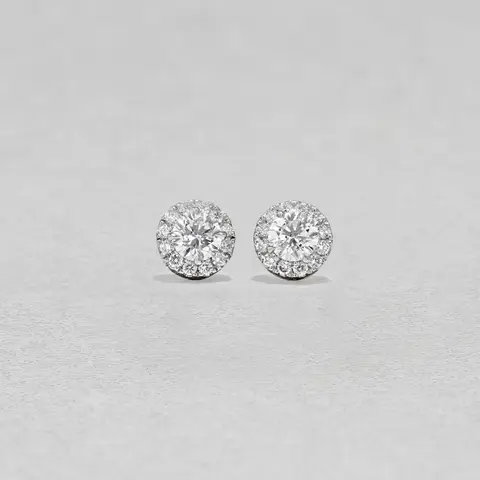
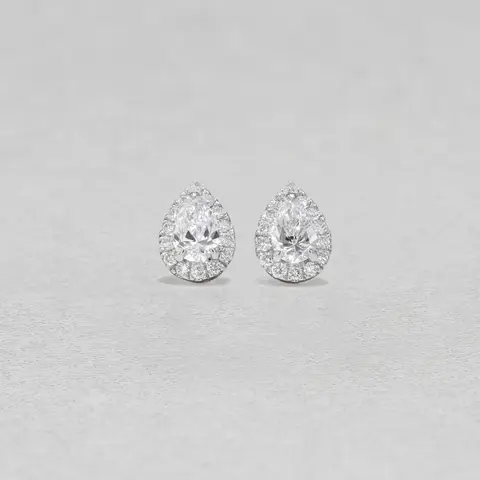
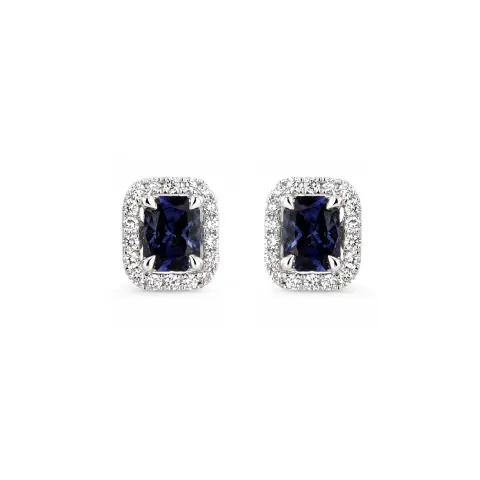
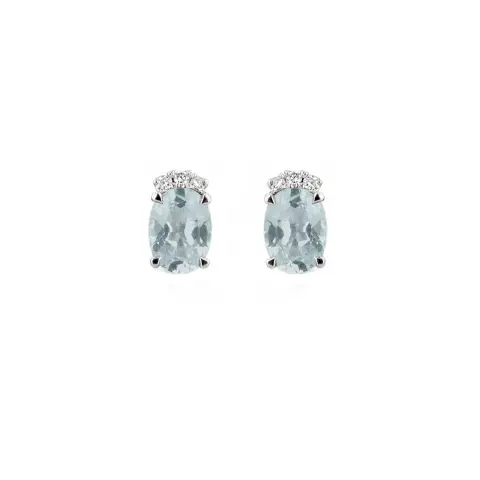
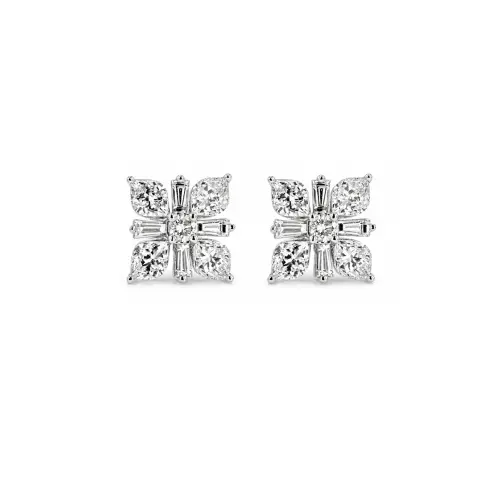
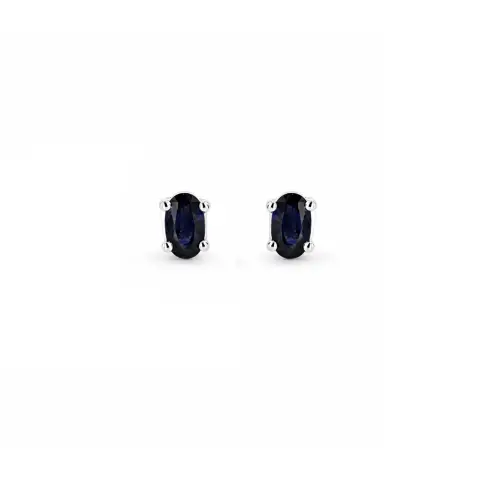
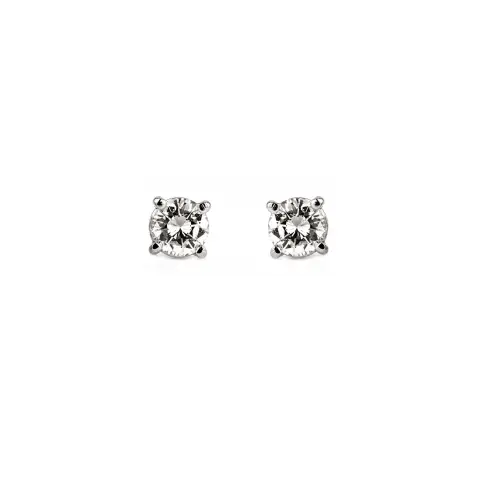
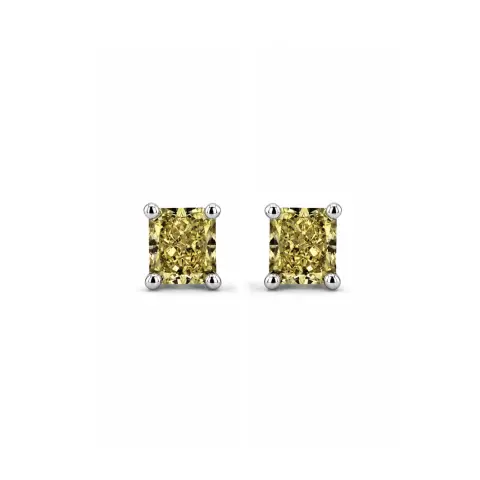

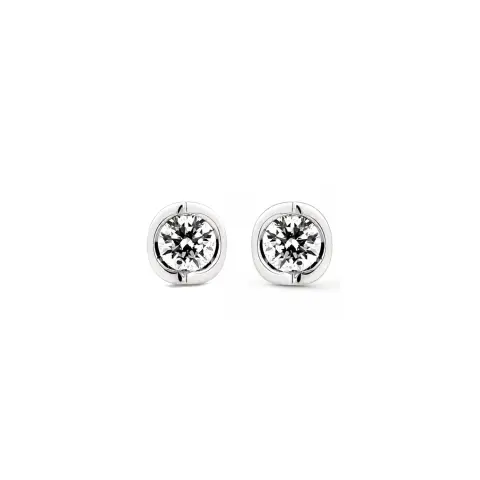
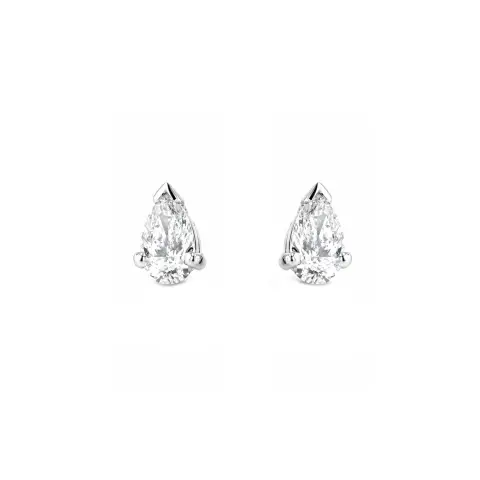

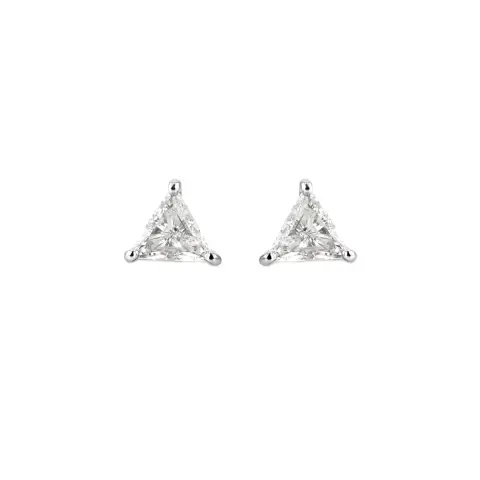
Studs are the most-worn earrings anyone owns — in at the start of the day, out at the end, often left in for weeks. The right metal, setting and backing make the difference between a pair worn daily and a pair that irritates or goes missing. Here's the in-house guide from our Stirling showroom.
Metal: which is kindest to ears
For pierced ears, the post metal matters most. Platinum and 18ct gold are hypoallergenic and the safest choice for sensitive or newly-pierced ears. 9ct gold is fine for most people but contains more alloy. Avoid plated posts if your ears react. We can re-post studs in platinum or gold if a much-loved pair causes irritation.
Setting: claw, rub-over or three-claw
Four-claw settings show the most stone and let in the most light — the classic choice. Rub-over (bezel) settings wrap the metal fully around the stone: the most secure option, snag-free against hair and scarves, and ideal for active wear or children. Three-claw (martini) settings sit lower and are a neat compromise between sparkle and security.
Stone choice & size
Diamond studs are the everyday classic — 0.25ct total weight (0.125ct per ear) is the popular daily size, 0.50ct total a noticeable upgrade. Coloured-stone studs (sapphire, ruby, emerald) add personality and often cost less for the same visual size. Birthstone studs make a thoughtful gift. Pearl studs are the timeless dressy option. Match the size to the wearer — bigger isn't always more flattering.
Backings: butterfly, screw or locking
Butterfly (push) backs are standard and fine for light studs, but loosen over time. Screw backs thread onto a grooved post and are far more secure — essential for diamond studs over 0.50ct each. Locking 'alpha' backs grip the post and are the most secure of all. The cost of upgrading a backing is a fraction of the cost of replacing a lost stone.
Care & maintenance
Studs collect skin oils and hair product behind the stone, which dulls the sparkle — clean weekly with warm soapy water and a soft brush, then dry the backs fully. Take studs out before swimming and heavy sport. Bring studs over 0.50ct in for a free claw check whenever you'd like them looked at; a worn claw is a cheap fix, a lost diamond is not.
| Backing | Security | Ease of use | Best for |
|---|---|---|---|
| Butterfly (push) | Moderate | Easy | Light everyday studs |
| Screw back | High | Slower | Diamonds over 0.50ct each |
| Locking (alpha) | Highest | Moderate | High-value or active wear |
Frequently asked
What metal is best for sensitive ears?+
Platinum and 18ct gold are hypoallergenic and the safest choice for sensitive or newly-pierced ears. 9ct gold suits most people. If a pair you love irritates your ears, we can re-post the studs in platinum or gold.
What size diamond stud is best for everyday wear?+
0.25ct total weight (0.125ct per ear) is the most popular everyday size and sits comfortably on every ear shape. 0.50ct total is a noticeable step up for evening wear or as a gift.
Are screw-back earrings worth the upgrade?+
For diamond studs above 0.50ct each, absolutely. Butterfly backs loosen and fail with surprising regularity, and a lost diamond isn't covered by standard household insurance unless individually listed. Screw and locking backs are far more secure.
How much should I budget for stud earrings?+
Diamond studs at 0.25ct total in 18ct white gold start from around £450; 0.50ct total from around £950. Sapphire, ruby and emerald studs start lower, from around £200 depending on stone size and metal. Pearl studs start from around £90.
Can stud earrings be re-tipped or re-backed?+
Yes. We re-tip worn claws and replace or upgrade backings in the workshop, agreeing the price with you before any work begins. Bring studs worn daily in for a free claw and post check whenever you'd like them looked at.