

Inherited jewellery sits in a complicated emotional space. The piece carries meaning — it belonged to someone important — but it may not suit the person who has inherited it. The setting might be old-fashioned, the ring might not fit, or the stone might be something beautiful trapped inside a design that will never leave the drawer.
Remodelling is the bridge between a family heirloom and a piece that gets worn every day. It is one of the most satisfying commissions we take in the workshop — and one of the most common misconceptions about our trade is that the goldsmith is somehow "destroying" the original piece. We're not. We're giving it the next chapter.
What "remodelling" actually means
Remodelling can mean different things depending on the starting point:
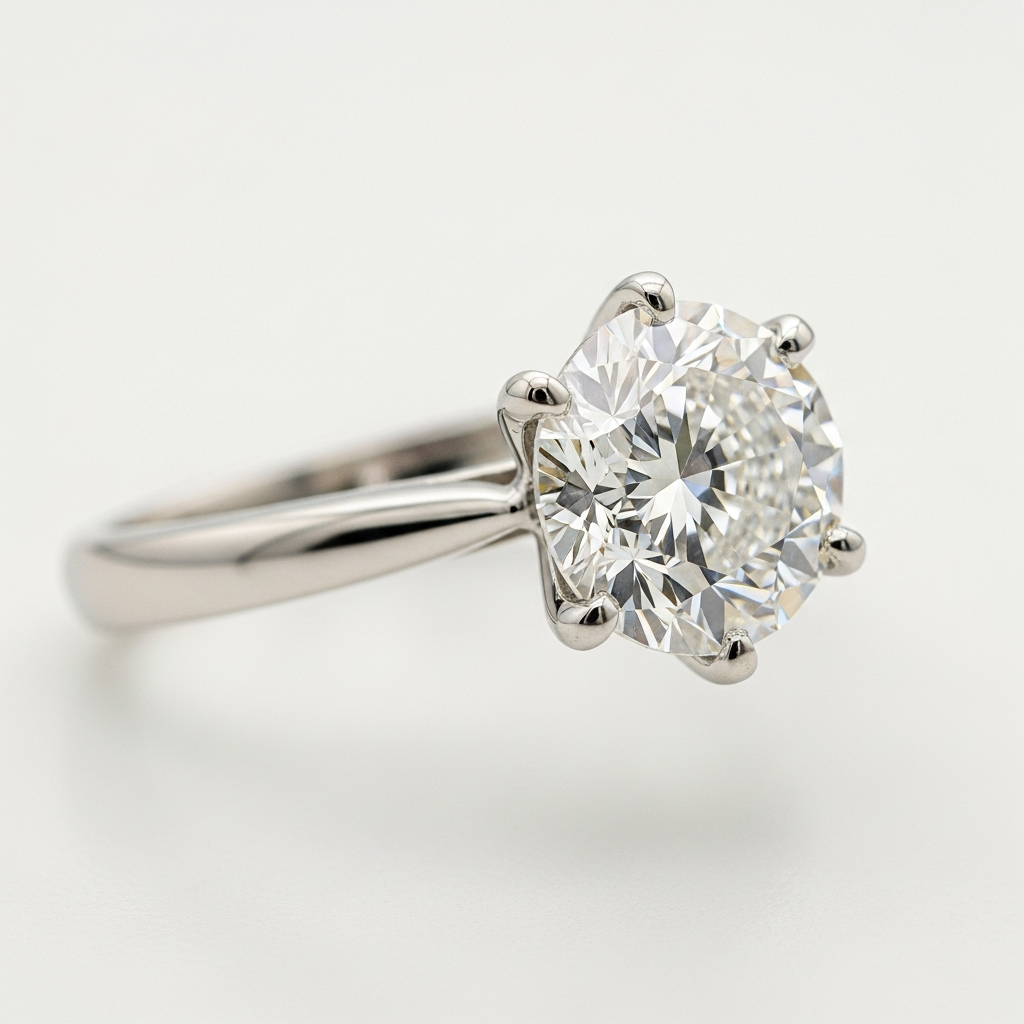
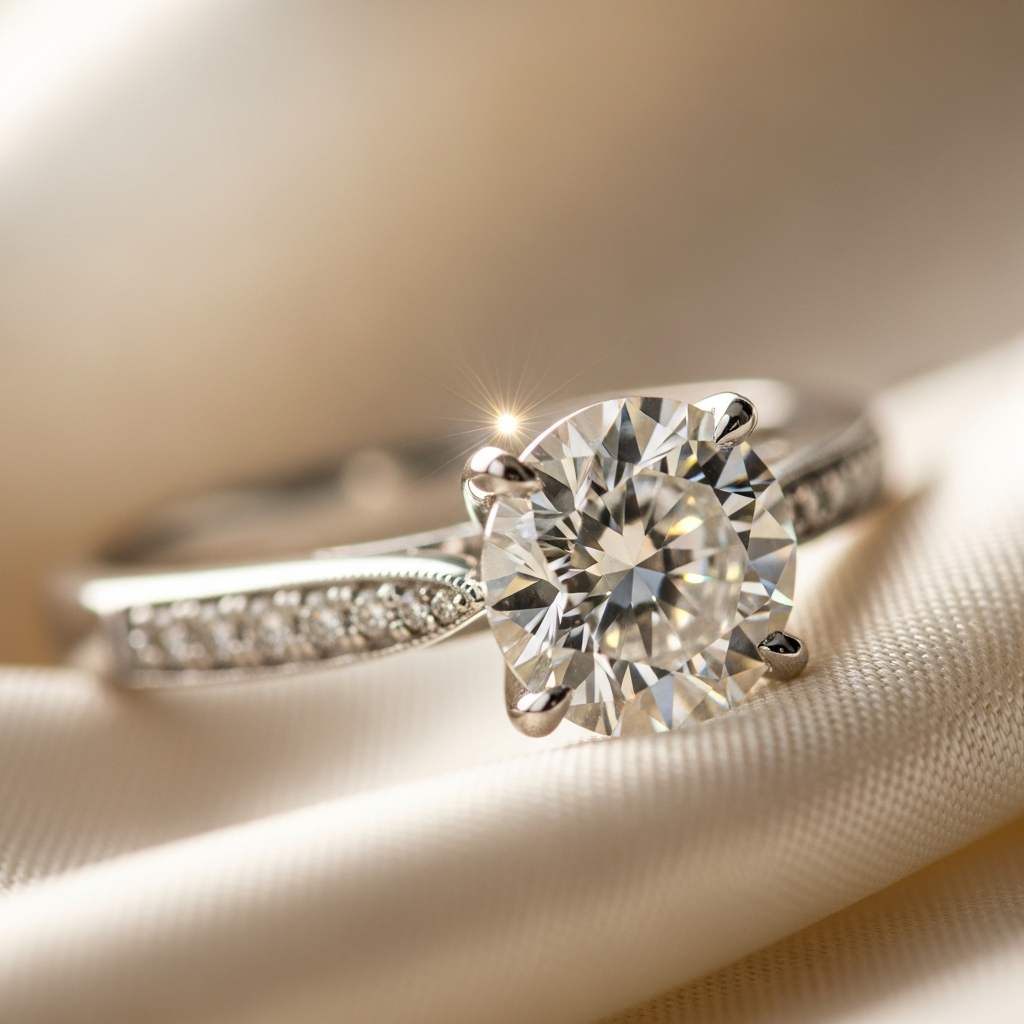
Type A — Resetting the stone into a new design. The most common scenario: an old stone (typically a diamond) in a setting the wearer doesn't like. The stone is removed, assessed and cleaned; a new ring is designed around it; the stone is re-set. The old metal is either returned to the customer, melted down for credit, or (if a different metal type) returned or scrapped.
Type B — Melting down and reusing the metal. Applicable when the customer has gold jewellery they want to repurpose. The old pieces are refined, the gold content is recovered, and used as part — or all — of the new commission. This only works if the metal types match; you can't mix 18ct gold and platinum in a single casting without losing the properties of both.
Type C — Incorporating heirloom elements into a new design. An antique diamond is set as the centre stone of a new engagement ring; the gold from a grandmother's bracelet becomes the shank; a hand-engraved element from an original piece is laser-welded into the new ring as a feature. These hybrid commissions require more planning but produce deeply personal results.
Type D — Structural restoration to make a piece wearable. Sometimes the piece just needs new prongs, a new shank, or a deep clean to be beautiful again. This isn't remodelling in the full sense, but it's the first thing we check — does this piece need a redesign, or just a service?
The consultation for heirloom pieces
The first step is always bringing the piece in for assessment — before any discussion of cost or timeline. We need to:
- Assess the stone's condition — chips, scratches, any previous filling or treatment.
- Check the metal type and weight — this determines whether the metal can be reused.
- Understand what you love and what you don't — some customers want to retain certain features of the original (a particular engraving, a specific profile) while changing others.
- Discuss the intended wearer — their style, lifestyle, existing jewellery, and how they feel about the history of the piece.
We document the original piece fully before any work begins — photographs, measurements, written notes — so there is a record of what it looked like. We find customers find this document meaningful later.
Practical considerations
Assay and hallmarking. Any significantly remodelled piece must be submitted for hallmarking as a new piece, even if the stone and most of the metal are original. This adds 1–2 weeks to the timeline (Edinburgh Assay Office processing) and a small fee (included in our commission quote).
Insurance. If the inherited piece was insured, notify your insurer before the remodelling work begins. The original insured value may not match the new piece's value. We provide a certificate of valuation for the finished piece, which should be submitted to your insurer for a policy update.
Emotional considerations. We encounter customers who feel guilty about remodelling a piece that was given to them in its original form. Our experience: the original owners who gave these pieces almost invariably intended them to be worn and loved. A diamond that spends 40 years in a drawer is not being honoured.
If you have inherited jewellery that you don't wear, we'd encourage you to bring it in for a free assessment. There is no obligation — we may simply confirm that the piece is fine as it is, needs a service, or could be beautifully transformed. Call 01786 462799 to book a consultation at Murray Place.
Shop the look
Pieces from our Stirling boutique that pair beautifully with this article.
- Proportion of our bespoke commissions involving an inherited stone
- ~30%
- Estimated gold recovery from a typical 18ct gold ring
- 75% of total weight as pure gold
- Typical cost saving using inherited gold in a new commission
- £150–£400
Source: Ian Gallacher Jewellers — 2025 bespoke records
Source: Standard 18ct gold alloy composition (750/1000 gold)
Source: Ian Gallacher Jewellers workshop pricing notes 2026
“We remodel inherited pieces every month. The most common situation is a daughter who has inherited a grandmother's diamond ring, loves the stone but won't wear the setting. There's often guilt involved — as though resetting the stone is somehow disrespectful. It isn't. The grandmother would almost certainly prefer the diamond be worn every day in a ring that suits the person wearing it.”
Frequently asked questions
Sources & further reading
- [1] Edinburgh Assay Office — Hallmarking for Remodelled Pieces — Edinburgh Assay Office (accessed 2026-04-10)
- [2] Goldsmiths' Company — Re-making and Remodelling — The Goldsmiths' Company (accessed 2026-04-10)
- [3] National Association of Jewellers — Consumer Guidance — National Association of Jewellers (accessed 2026-04-10)
People also ask
- How much does it cost to reset a diamond UK?
- Can old gold be melted down and reused?
- Is it worth remodelling old jewellery?
- Can a jeweller copy an old ring design?
Related reading

Guides
How Bespoke Engagement Rings Are Made: From Brief to Bench
A detailed behind-the-scenes look at how an engagement ring is designed and hand-made in the Ian Gallacher workshop in Stirling — from first sketch to Edinburgh Assay hallmark.

Buying Advice
Bespoke vs Off-the-Shelf Engagement Rings: Which is Right for You?
Not every engagement ring needs to be bespoke — and not every ready-made ring is a compromise. A Stirling jeweller gives an honest comparison to help you decide.

Guides
What Happens in a Bespoke Jewellery Consultation at Ian Gallacher
Nervous about your first bespoke jewellery consultation? Our Stirling goldsmith explains exactly what to expect — no jargon, no pressure, just the process from brief to sketch.