
Platinum
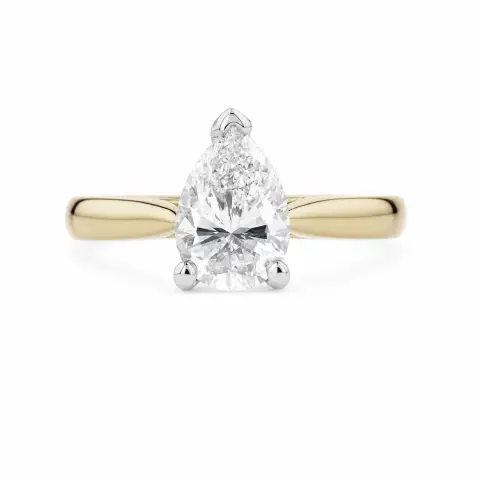
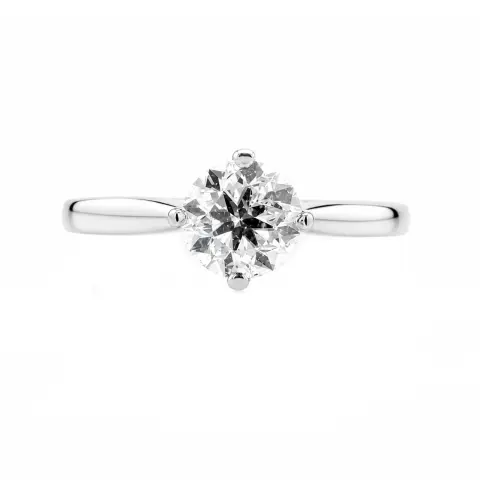

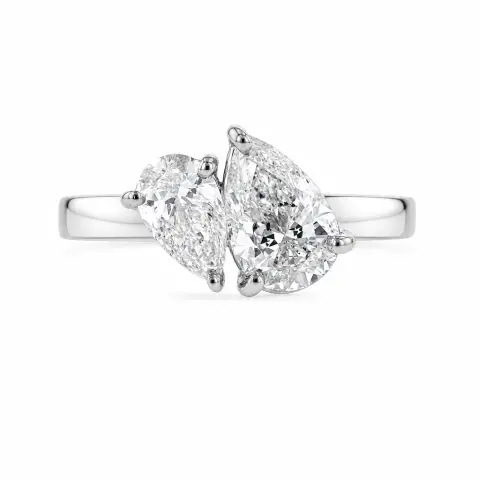
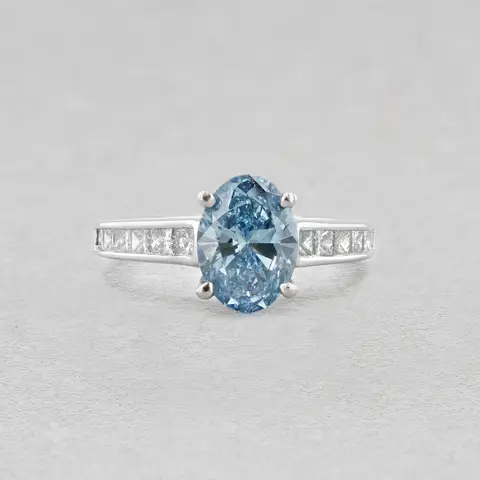
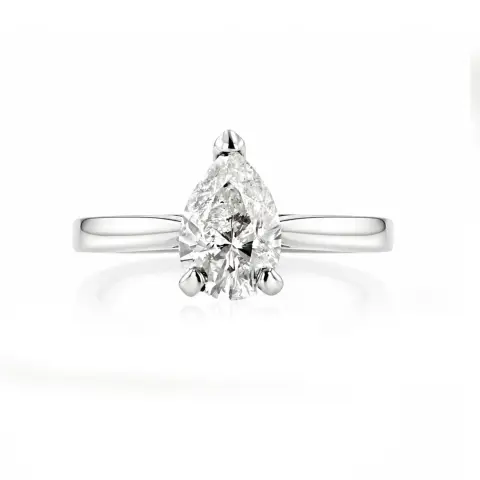
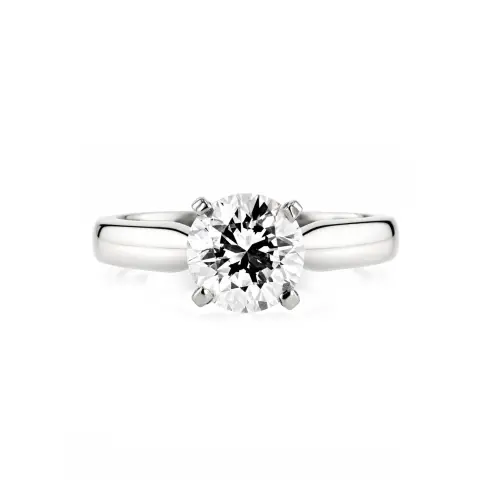
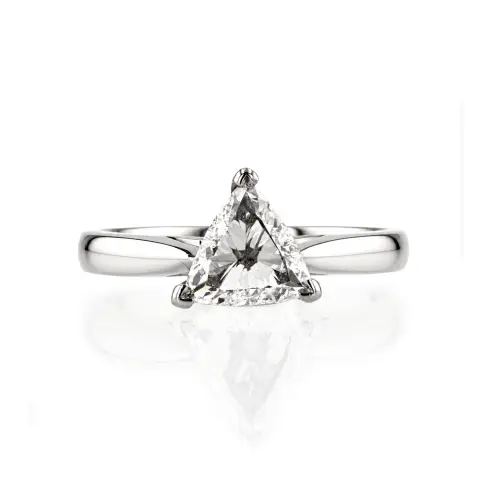
Platinum is the benchmark metal for fine jewellery — the heaviest, purest and most durable choice. It also costs more and behaves differently to gold in ways that affect the finished ring. Here's what you actually need to know.
What makes platinum different from white gold?
Platinum used in fine jewellery is 95% pure platinum (marked 950 Pt). White gold is an alloy — typically 75% gold alloyed with silver, palladium and copper, then rhodium-plated to achieve its white colour. Platinum stays naturally white; white gold needs re-plating every 18–24 months. Platinum is also significantly denser — a platinum ring weighs roughly 40% more than the same ring in 18ct gold.
Durability and surface wear
Platinum is exceptionally tough and holds diamond claws securely over decades of wear — it's the jeweller's choice for stones above 0.50ct. However, platinum does develop a 'patina' (fine surface scratches) over time that gives it a satin finish rather than the mirror polish of a new ring. Many wearers come to prefer the lived-in look; those who don't should plan for a professional re-polish every three to five years.
Cost: why is platinum more expensive?
Platinum is rarer than gold, heavier, and requires higher temperatures and more specialist skill to work. A platinum engagement ring typically costs 20–35% more than the equivalent in 18ct white gold. For a diamond set into a ring you'll wear for life, the premium is worthwhile — platinum settings are more secure and don't yellow at the claws.
Hallmarking and purity
UK platinum is hallmarked 950 (95% pure) by one of the UK's assay offices. The hallmark guarantees purity — a legal requirement for any platinum piece sold in the UK over 0.5g — and shows the metal standard alongside the assay office mark and date letter.
Frequently asked
Is platinum better than white gold for an engagement ring?+
For the stone-setting in an engagement ring worn daily, yes — platinum holds claws more securely and doesn't yellow at the setting as white gold can when the rhodium plating wears through. The additional cost is a worthwhile long-term investment for a forever piece.
Does platinum scratch?+
Yes — all metals scratch. Platinum develops a characteristic satin patina of fine surface scratches over time. Unlike gold, when platinum scratches it displaces rather than loses metal — the overall mass stays the same. A professional re-polish restores the mirror finish.
How do I keep a platinum ring looking its best?+
Clean it at home with warm water and a drop of washing-up liquid, soft toothbrush behind the stone, rinse and pat dry. Bring it in for a professional clean and claw check every twelve months, and for a full re-polish every three to five years.
What is the difference between platinum and palladium?+
Both are naturally white metals in the platinum group. Palladium is lighter (roughly half the weight of platinum) and significantly cheaper — a palladium ring costs less than an equivalent 18ct white gold piece. Palladium doesn't need re-plating and is hypoallergenic. It is a practical choice for wedding bands; for high-value diamond settings, platinum is still preferred.