

How you store jewellery when you're not wearing it determines how quickly it deteriorates, how often it needs professional attention, and whether a piece passes to the next generation in the condition it deserves. Yet storage is almost always an afterthought. This guide covers the practical basics — from keeping a single diamond ring overnight to organising a collection and storing pieces long-term.
The three enemies of stored jewellery
Physical contact. Jewellery left loose together in a drawer or bowl scratches itself. A diamond's Mohs hardness of 10 means it will scratch anything it contacts, including gold, platinum, and other coloured gemstones. A ruby (hardness 9) will scratch a garnet (hardness 6.5–7.5) laid beside it. Separation is the only solution.
Humidity and temperature cycling. Bathrooms and kitchen windowsills are the worst locations. Steam from a shower raises the relative humidity sharply; the room then dries out as the ventilation clears it. Repeated cycling stresses organic gems like opals and pearls. Hard stones are unaffected, but metal joints and adhesives in pavé settings can be weakened by prolonged exposure.
Ultraviolet light. Prolonged UV exposure fades some coloured gems (amethyst, aquamarine and kunzite are particularly susceptible) and can yellow the adhesive used in some invisible settings. Keep coloured gemstone jewellery out of direct sunlight during storage.
Overnight storage — the daily routine
The simplest upgrade most customers can make costs under £15: a ring dish with a soft lining beside the bed. This removes the ring safely from the finger without the risk of placing it on a bathroom shelf, balancing it on the basin edge, or dropping it.
For a necklace worn daily, a small velvet-lined hook or stand on the dressing table prevents both tangling and the prong damage that comes from dropping a necklace into a jewellery box over the setting.
Do not leave rings on the kitchen windowsill while washing up. It is the most commonly reported location for a ring that has "fallen down the drain" — and it subjects the piece to cleaning chemicals and steam simultaneously.
Longer-term storage solutions
| Solution | Best for | Notes |
|---|---|---|
| Ring roll (leather or velvet) | Rings only | Individual padded pockets; rolls up for travel |
| Compartmented jewellery box | Mixed collection | Ensure compartments actually separate pieces |
| Individual velvet pouches | Any piece | Cheap and effective; one piece per pouch |
| Hanging necklace organiser | Necklaces and chains | Prevents tangling; keeps clasps accessible |
| Earring card | Stud earrings | Punch cards prevent separated pairs |
| Anti-tarnish cloth bags | Silver and silverware | Contains anti-tarnish agent in the fabric |
For a significant collection, individual velvet or acid-free cloth pouches are the best value solution. Label each pouch with a small card if needed for identification.
Preventing the most common disasters
Lost earring backs: Store earring backs on the earring itself when not wearing. Keep a small container of spare butterfly backs in your jewellery box — they're inexpensive and losing one makes a pair unwearable.
Tangled chains: Always fasten the clasp before storing a necklace or bracelet. An unfastened chain is far more likely to knot itself around another piece. For particularly fine chains (less than 1mm link width), store in a sealed zip bag individually.
Ring lost down the drain: Never remove a ring over a sink or basin without the plug in. This is especially important for rings that have been recently resized (they can feel unfamiliar on the finger) and for vintage rings with a looser fit.
Forgotten insurance: Before storing any piece you do not wear often, photograph it with a ruler for scale next to a piece of paper with today's date. Keep these photographs in cloud storage or email them to yourself. If you ever need to make a claim, this documentation can be the difference between a successful claim and a disputed one.
Long-term storage for heirloom pieces
Pieces that will be stored for a year or more need preparation before they go away:
- Clean thoroughly — residual skin acids corrode metal slowly over time.
- Check all stones are secure — a loose stone in storage can work itself out completely.
- Wrap in acid-free tissue or cloth — avoid standard tissues (which may contain dyes) and standard plastic bags (which off-gas PVC).
- Place in a cool, dark, dry location — not the attic (temperature extremes) or basement (humidity and pests).
- Photograph and note details — date, description, weight if known, certificate numbers.
If you have inherited jewellery in unknown condition, bring it to us before wearing it. Heirloom pieces sometimes have weakened settings, missing stones, or repairs done with low-quality solder that can fail without warning. A free check at the workshop takes 15 minutes and gives you confidence before the piece goes on someone's finger.
Visit us at 7 Murray Place, Stirling, any day Mon–Sat 09:30–17:00.
Shop the look
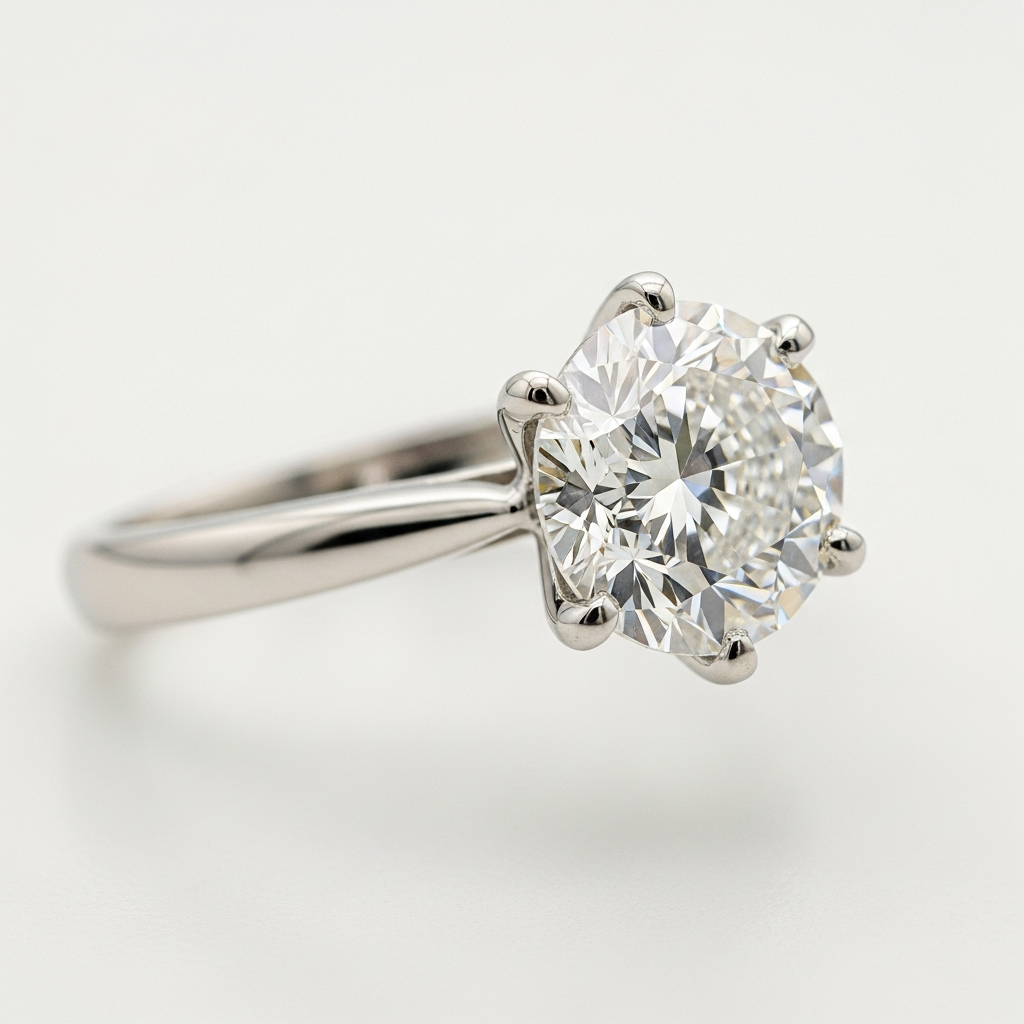
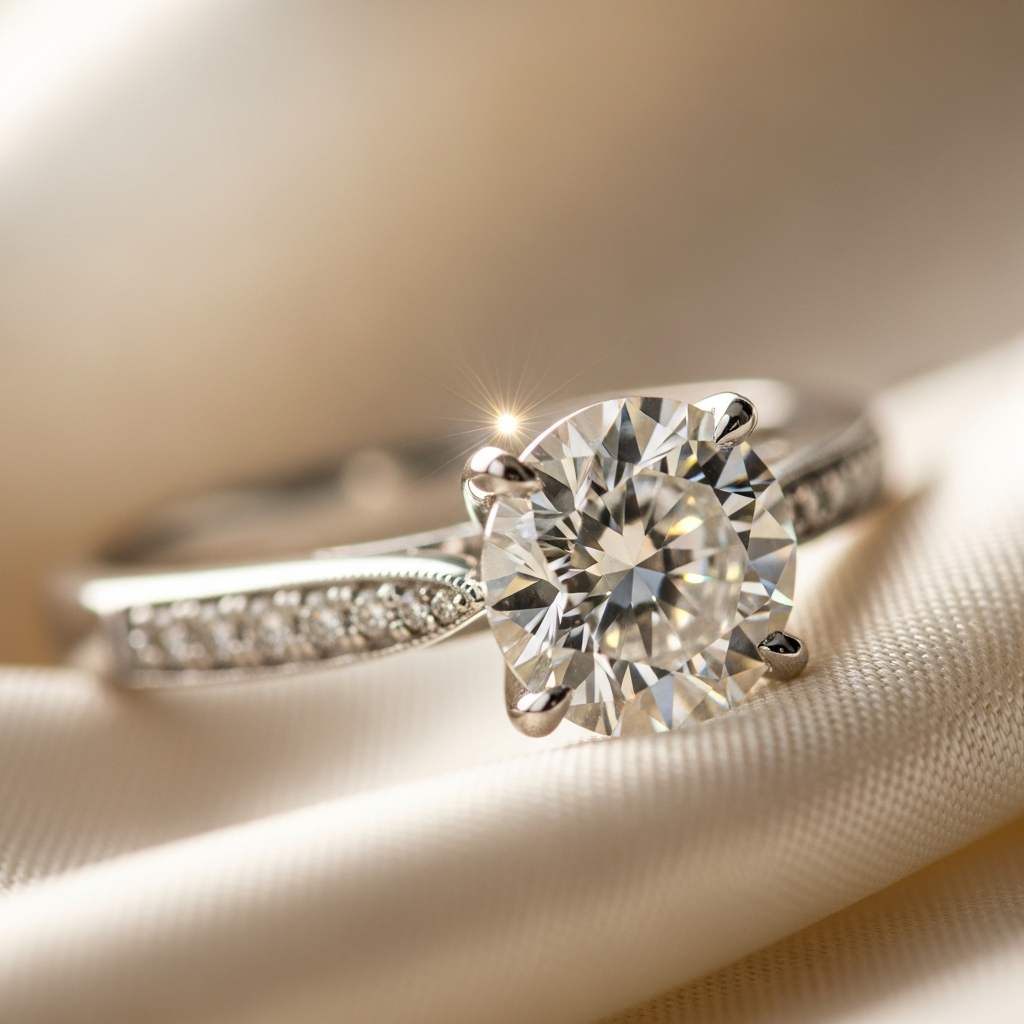
Pieces from our Stirling boutique that pair beautifully with this article.
- Most common cause of necklace chain damage
- Tangling in shared storage
- Recommended humidity level for jewellery storage
- 45–55% RH
- Proportion of jewellery insurance claims caused by accidental loss at home
- ~35%
Source: Ian Gallacher Jewellers customer service enquiries
Source: GIA storage guidance for organic gemstones
Source: ABI (Association of British Insurers) — Home Contents Claims Analysis 2024
“The two things that cause the most preventable damage we see in the workshop are tangled chains (which stretch and weaken the links) and rings stored together in a heap. A hard stone like a sapphire will scratch a softer metal in the same drawer every time they make contact. The fix is cheap: compartments.”
Frequently asked questions
Sources & further reading
- [1] GIA — Gem and Jewellery Care — Gemological Institute of America (accessed 2026-04-01)
- [2] Association of British Insurers — Home Claims Data — ABI (accessed 2026-04-01)
- [3] Goldsmiths' Company — Caring for Your Jewellery — The Goldsmiths' Company (accessed 2026-04-01)
People also ask
- What is the best jewellery storage solution?
- Can I store my ring in a pillbox?
- Does jewellery tarnish in storage?
- How do you store a pearl necklace long-term?
Related reading

Care & Maintenance
Caring for Platinum vs White Gold Jewellery
Platinum patina, rhodium plating, ultrasonic cleaners and prong checks — how to keep your white-metal jewellery brilliant for decades, from a Stirling jeweller's bench.

Care & Maintenance
How to Clean a Diamond Ring at Home: A Step-by-Step Guide
A jeweller's step-by-step guide to cleaning diamond rings at home — what works, what damages stones, and when to bring it in to the workshop instead.

Care & Maintenance
When to Have Your Jewellery Professionally Serviced
A Stirling goldsmith explains the warning signs that a ring needs professional attention — prong wear, shank thinning, loose stones — and what happens during a service.