

A clean diamond is a brilliant diamond. The difference between a well-maintained engagement ring and a neglected one is not microscopic — it's visible across the room. Yet the vast majority of rings we see in the workshop for their annual service have lost a significant amount of their brilliance simply from months of accumulated hand lotion, soap and skin residue. The good news: most of it comes off in ten minutes at your kitchen sink.
Why diamonds get dull — and why it matters
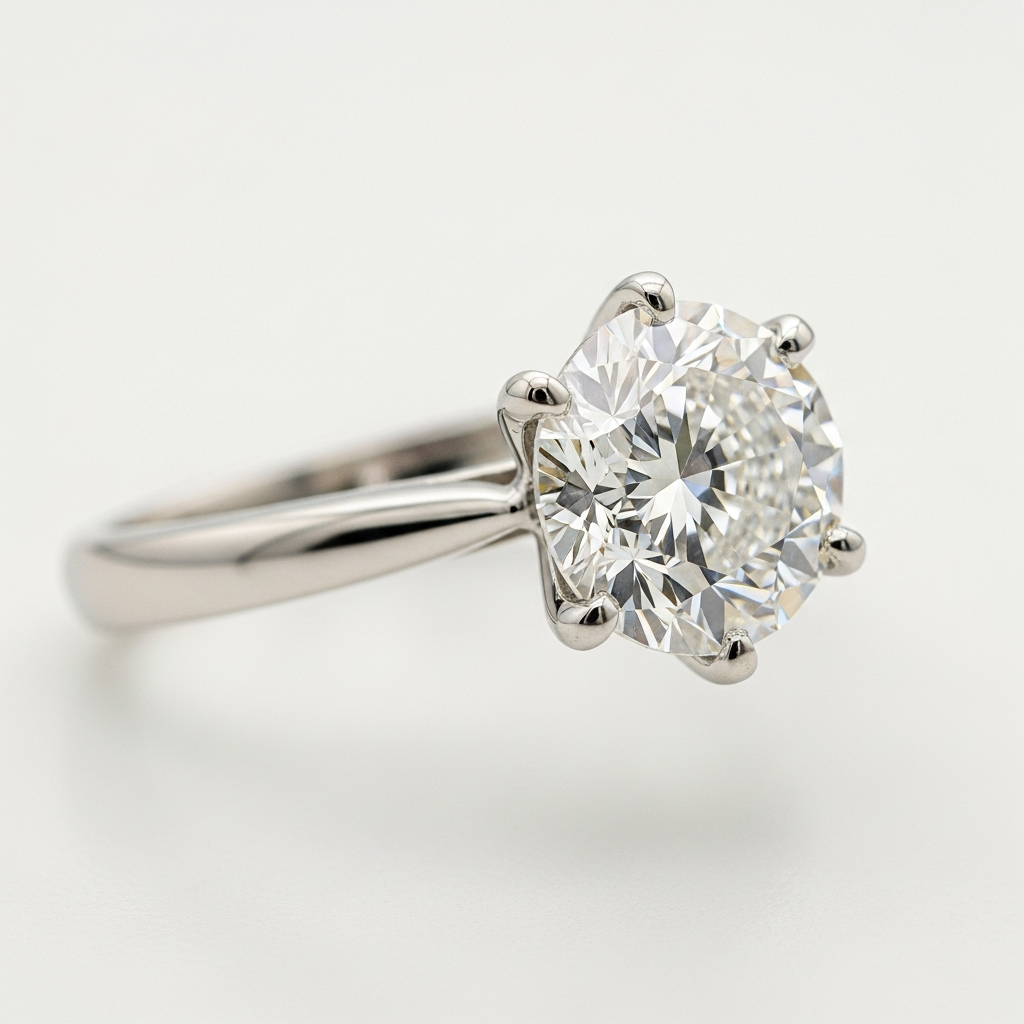
A diamond's brilliance comes from light entering the stone, bouncing off the internal facets, and exiting back through the top (the table and crown). When grease, soap film or lotion coats the underside of the diamond — the pavilion — it creates a diffuse layer that interferes with that internal reflection. The stone still sparkles, but it's working at perhaps 60% of its potential.
The most common culprit is hand lotion applied after the ring is already on the finger. A small amount of moisturiser works itself behind the stone over the course of a day. By evening, there is a translucent film trapped against the back of the diamond that no amount of rinsing under the tap will shift.
The home clean: step by step
This method works for diamond solitaires, halos, and trilogy rings set in platinum, 18ct gold or 9ct gold. Check the exceptions section before starting.
What you need:
- A small bowl or mug
- Warm tap water (not boiling)
- A drop of mild washing-up liquid (no added moisturisers)
- A baby's soft toothbrush, or a dedicated jewellery brush
- A clean microfibre cloth
Step 1: Soak for 10 minutes. Place the ring in the bowl, cover with warm water, add a small drop of washing-up liquid and stir gently. Let it soak for at least 10 minutes. This loosens the oils and breaks down the lotion film.
Step 2: Scrub — especially behind. Lift the ring out of the bowl and use the soft brush to scrub gently. Pay particular attention to the pavilion of the stone (the underside of the diamond) and the gallery (the metal bridge beneath the stone). These are where grime collects most thickly. Work around each prong as well — grime packs into the joint between prong and stone.
Step 3: Rinse thoroughly. Hold the ring under warm running water for 30 seconds. Do not rinse over an open plughole — place a cloth or folded flannel in the sink bowl first.
Step 4: Pat dry with a microfibre cloth. Rub gently across the stone's table and crown. A well-cut diamond under a clean microfibre should look noticeably more brilliant already.
The daily wipe — the single best habit
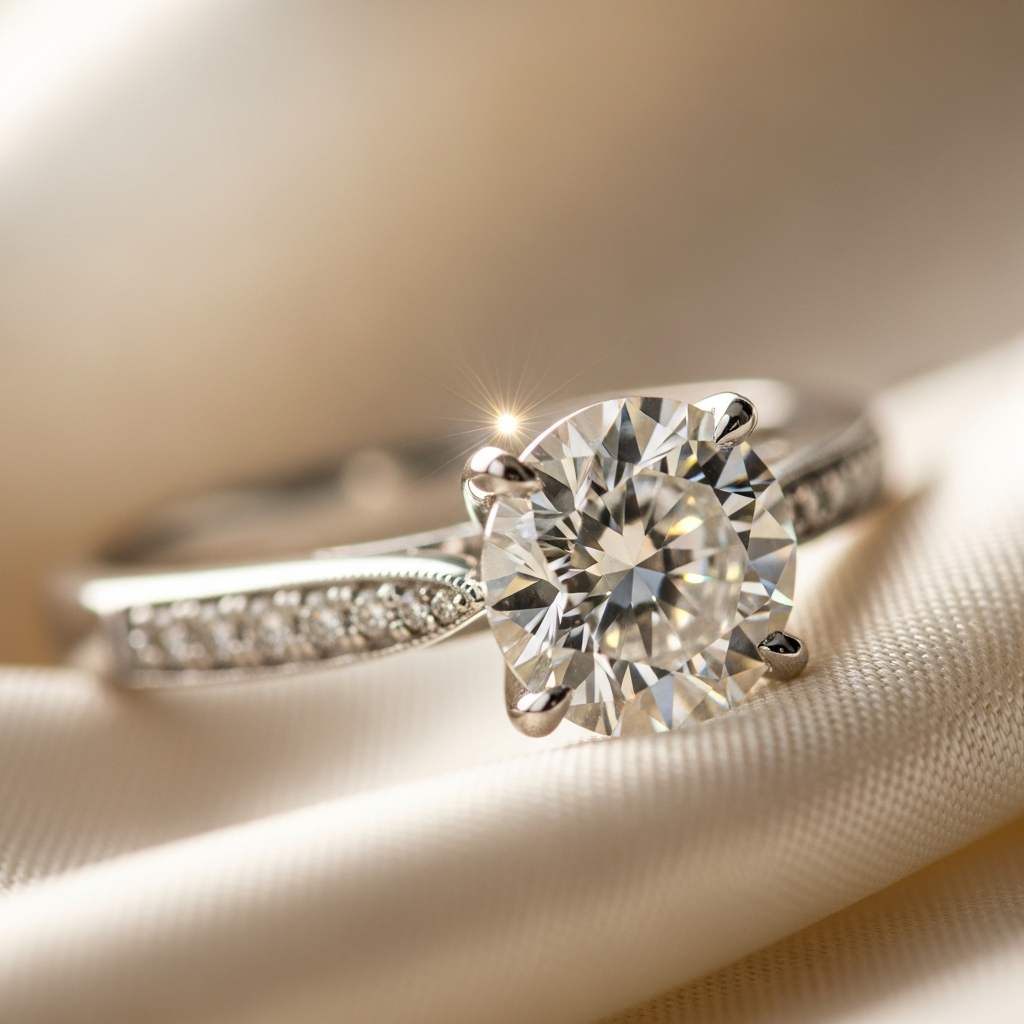
Between full cleans, a 30-second wipe with a dry microfibre cloth every evening makes a significant difference. Focus on the underside of the stone. Leaving the ring on a microfibre cloth on your bedside table means you'll naturally wipe it when you remove it at night.
This single habit reduces the build-up of oils and means your full home clean is quicker and more effective.
What not to do
Toothpaste is a common home-remedy suggestion and a bad one. It's mildly abrasive — fine for enamel, not fine for polished gold prongs. Repeated use will dull the metal finish around the setting.
Bleach and household cleaners are dangerous. Chlorine attacks the alloys in gold (particularly the silver and copper components in 18ct gold) and over time causes micro-fracturing of the metal. Never put a ring into bleach, even briefly.
Boiling water can be used by professionals with appropriate tools, but it is not recommended at home. Thermal shock can fracture certain stones (particularly rubies and sapphires with existing feather inclusions) and can weaken adhesives in pavé settings.
Stones that need different treatment
The soak-and-brush method above is suitable for diamonds and most hard faceted gemstones (rubies, sapphires, spinels, most garnets). The following stones require a gentler approach or professional cleaning only:
| Stone | Issue | Safe home cleaning |
|---|---|---|
| Pearls | Organic, porous, soft (Mohs 3) | Wipe with damp cloth only |
| Opals | Contains water, can crack if dried out | Wipe with damp cloth; never soak |
| Emeralds | Usually fracture-filled with oil/resin | Damp cloth only; no ultrasonic |
| Turquoise | Porous, absorbs soap and chemicals | Dry cloth only |
| Coral, amber | Organic, sensitive to acid | Dry cloth only |
If you're not certain what your stone is or whether it has been treated, bring it in and we'll clean it for you.
When home cleaning isn't enough
A home clean maintains daily brilliance but cannot replace the professional service. Bring your ring to the workshop when:
- The stone still looks dull after a thorough home clean
- A prong has caught on clothing or hair
- The ring has been worn in a swimming pool or the sea
- It has been worn for gardening, gym work or DIY
- Twelve months have passed since the last professional check
Our annual service includes an ultrasonic clean, steam clean, full prong and claw inspection under the loupe, and a written note of any issues — all free of charge for rings purchased from us. For rings from elsewhere, there's a small bench fee.
Drop in any day to 7 Murray Place, Stirling, Mon–Sat 09:30–17:00. No appointment needed for a clean and inspection.
Shop the look
Pieces from our Stirling boutique that pair beautifully with this article.
- Estimated reduction in light return from a dirty diamond
- Up to 40%
- Recommended professional clean frequency (daily wearers)
- Every 12 months
- Most common contaminant reducing diamond brilliance
- Hand lotion & soap residue
Source: GIA educational resource on diamond care
Source: Ian Gallacher Jewellers workshop recommendation
Source: Ian Gallacher Jewellers workshop observation
“The single most impactful thing any engagement ring owner can do is wipe the underside of the stone every evening with a microfibre cloth. Ninety percent of 'dull' diamonds we see in the workshop have a film of moisturiser packed against the back of the stone — it takes thirty seconds to prevent.”
Frequently asked questions
Sources & further reading
- [1] GIA — Diamond Care and Cleaning — Gemological Institute of America (accessed 2026-04-01)
- [2] Goldsmiths' Company — Jewellery Care Advice — The Goldsmiths' Company (accessed 2026-04-01)
- [3] National Association of Jewellers — Consumer Care Guide — National Association of Jewellers (accessed 2026-04-01)
People also ask
- What household products can I use to clean a diamond ring?
- How do professionals clean diamond rings?
- Does vinegar clean diamond rings?
- Can I use baking soda to clean my diamond ring?
Related reading

Care & Maintenance
Caring for Platinum vs White Gold Jewellery
Platinum patina, rhodium plating, ultrasonic cleaners and prong checks — how to keep your white-metal jewellery brilliant for decades, from a Stirling jeweller's bench.

Care & Maintenance
How to Store Fine Jewellery Safely at Home
Tangles, scratches and humidity damage are all preventable. A Stirling jeweller's guide to storing rings, necklaces, earrings and bracelets at home — from overnight to long-term.

Care & Maintenance
When to Have Your Jewellery Professionally Serviced
A Stirling goldsmith explains the warning signs that a ring needs professional attention — prong wear, shank thinning, loose stones — and what happens during a service.