

Fine jewellery is not maintenance-free. The same piece worn every day — washed with, slept in, worn to the gym — experiences thousands of small impacts and abrasions over a year. Most of that wear is invisible until it isn't, and by then a simple £40 prong re-tip has become a £300 emergency re-claw after a stone has been lost.
This guide explains exactly what to look for, when to call in a professional, and what happens on the workbench when you do.
The warning signs — check these yourself
You don't need a jeweller to perform the first-pass check. Before reading further, take your ring and go through this list:
Snagging prong: Hold the ring near a knitted jumper or your hair and rotate it slowly. Does the fabric or hair catch on any point? A prong that snags is a prong that is bent or worn thin. Stop wearing the ring until it has been checked.
Audible stone rattle: Hold the ring near your ear and tap the back of the shank sharply against a knuckle. A loose stone produces a faint click or rattle that is unmistakeable once you know what to listen for. If you hear it, do not wear the ring until it has been repaired.
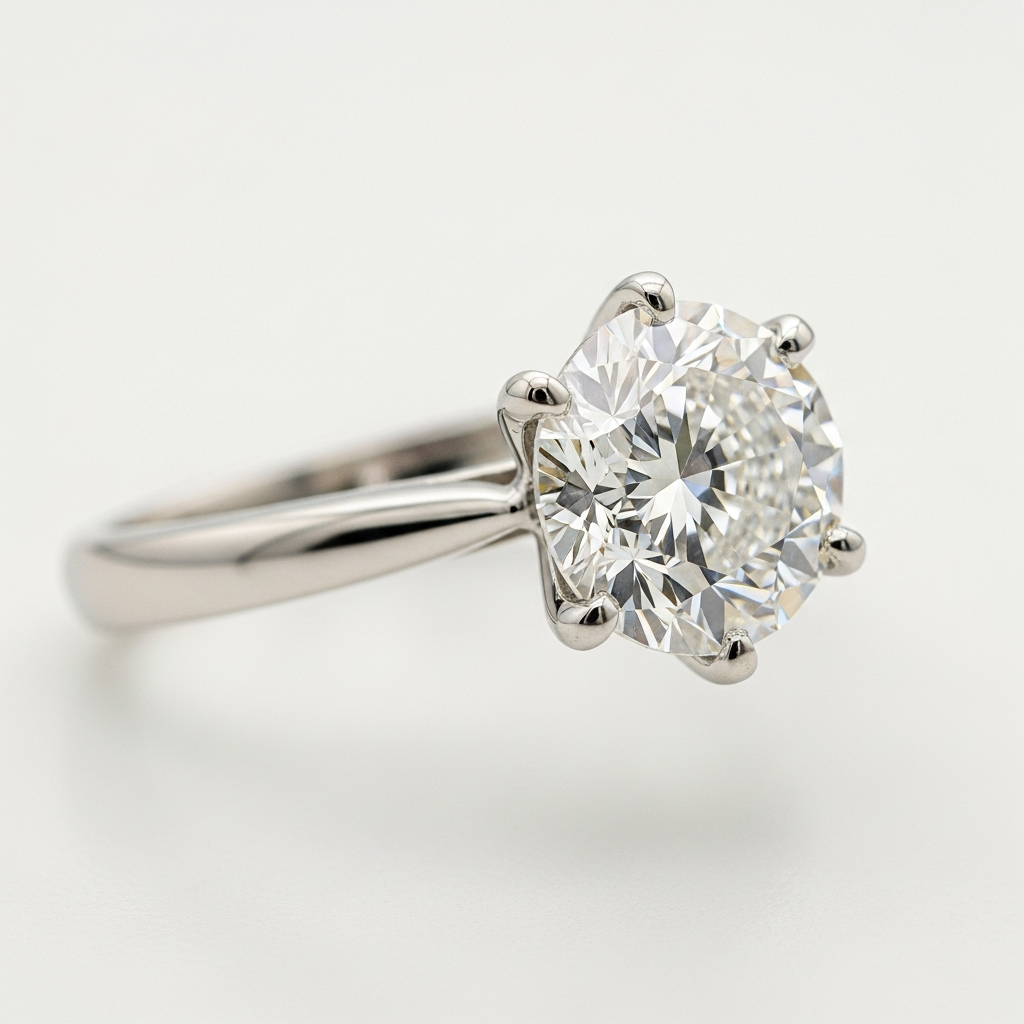
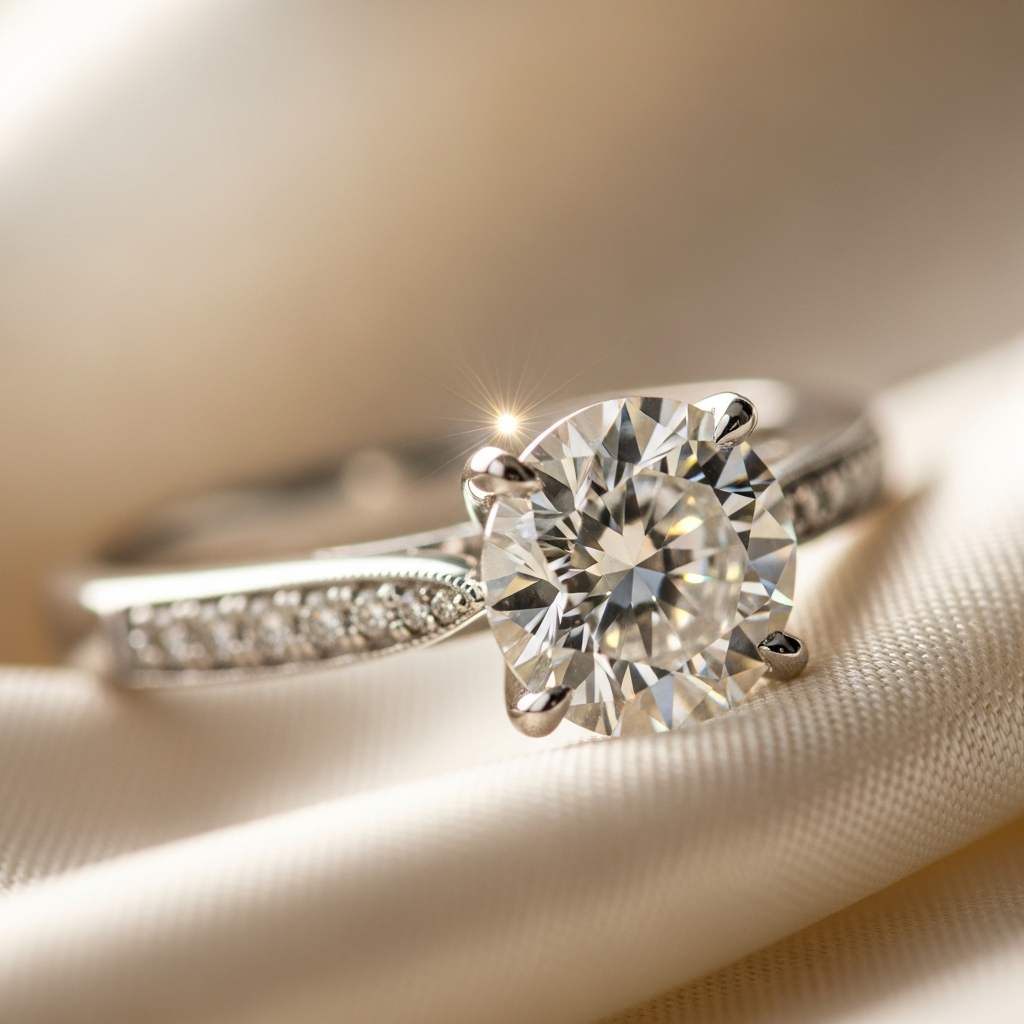
Visual prong wear: Look at the tips of the prongs under good light, ideally with a 10× jeweller's loupe if you have one. The tips should be rounded domes with consistent height. A worn prong tip looks flattened, thin, or shows a bright metal edge rather than a smooth curve.
Shank thinning: Look at the inside of the ring's hoop. Do the walls look thinner than when you bought it? Compare to the thickness of the shoulders near the setting. Significant thinning is visible without instruments; early-stage thinning needs a calliper.
White gold colour change: If the ring looks slightly yellow or warm in tone, the rhodium plating has worn through. This is cosmetic rather than structural, but worth booking in alongside any other work.
Recommended service intervals
| Ring type and wear pattern | Recommended interval |
|---|---|
| Daily-worn engagement ring, under 5 years old | Annual check |
| Daily-worn engagement ring, over 10 years old | Every 6 months |
| Eternity ring (many small stones) | Annual check |
| Wedding band (plain metal) | Every 2–3 years |
| Occasionally worn pieces | Every 2 years or before wearing |
| Heirloom pieces (unknown history) | Before wearing at all |
What happens during a professional service
When you bring a ring into our workshop at Murray Place, here is what happens:
1. Reception and initial inspection. We note the ring's condition — any visible wear, existing repairs, stone identifications — and take photographs before any work begins. Nothing happens without your written consent.
2. Ultrasonic clean. The ring spends 10–15 minutes in the ultrasonic bath. This is not the same as a consumer-grade machine: professional units run at higher frequencies and use specific solutions that lift compacted grease from inside settings without disturbing the metal.
3. Steam clean. A high-pressure steam jet finishes the clean, reaching the back of the pavilion and the deepest points of the gallery where lotion and skin cells compact over months of wear.
4. Full inspection under the loupe. Each prong is examined at 10× magnification. We check: prong height consistency, prong tip condition, any signs of cracking or lifting, stone movement, bezel wear (where applicable), pavé bead height, and shank thickness at the thinnest point.
5. Report and quote. We write down everything we found and provide a quote before any remedial work begins. Most clean-and-checks find no problems at all — which is the point. Finding "nothing to fix" at an annual service means you've caught it early every year it mattered.
6. Repair work. If approved, work proceeds on the bench. Re-tipping is done with a laser welder for precision; re-shanking involves fabricating a new hoop; re-rhodium plating is done in the electroplating bath.
Free service for Ian Gallacher rings
Every ring purchased from us at Murray Place is entitled to a free annual clean and claw check for the lifetime of the ring. Bring it in any day, no appointment necessary, during opening hours (Mon–Sat 09:30–17:00). We'll clean it, check it under the loupe, and tell you exactly what — if anything — it needs.
For rings purchased elsewhere, there is a small bench fee for the service, quoted at reception. Call 01786 462799 to book a time if you'd prefer a scheduled slot.
Shop the look
Pieces from our Stirling boutique that pair beautifully with this article.
- Recommended claw check frequency (daily wear)
- Every 12 months
- Most common cause of lost stones in rings
- Worn or bent prongs
- Average prong re-tip cost, Stirling workshop 2026
- £35–£60 per prong
Source: National Association of Jewellers — Care Guidance
Source: Ian Gallacher Jewellers workshop records
Source: Ian Gallacher Jewellers workshop pricing
“Most customers bring a ring in after a stone falls out. The sad thing is that prong wear is always gradual and always visible to the eye well before the stone is at risk — it just takes someone with a loupe and fifteen minutes to see it. By the time a prong is visibly thin, the window to repair it cheaply is closing fast.”
Frequently asked questions
Sources & further reading
- [1] National Association of Jewellers — Consumer Jewellery Care — National Association of Jewellers (accessed 2026-04-01)
- [2] Goldsmiths' Company — Hallmarking and Care — The Goldsmiths' Company (accessed 2026-04-01)
- [3] GIA — Jewellery Care and Maintenance — Gemological Institute of America (accessed 2026-04-01)
People also ask
- What is a ring prong check?
- How do I know if my engagement ring needs repair?
- Can a goldsmith fix a bent prong?
- How much does it cost to re-claw an engagement ring UK?
Related reading

Care & Maintenance
Caring for Platinum vs White Gold Jewellery
Platinum patina, rhodium plating, ultrasonic cleaners and prong checks — how to keep your white-metal jewellery brilliant for decades, from a Stirling jeweller's bench.

Care & Maintenance
How to Store Fine Jewellery Safely at Home
Tangles, scratches and humidity damage are all preventable. A Stirling jeweller's guide to storing rings, necklaces, earrings and bracelets at home — from overnight to long-term.

Care & Maintenance
How to Clean a Diamond Ring at Home: A Step-by-Step Guide
A jeweller's step-by-step guide to cleaning diamond rings at home — what works, what damages stones, and when to bring it in to the workshop instead.