

The two metals that account for almost every white-coloured engagement ring sold in the UK look identical when they leave the workshop, but they age very differently — and the right care routine depends on which one is on your finger. After five decades of polishing, re-tipping and rhodium-plating engagement rings in Stirling, here is everything we tell our customers when they collect a new piece.
Platinum and 18ct white gold are not the same metal
It's worth a quick refresher because the two are often (incorrectly) sold as interchangeable.
| Property | Platinum 950 | 18ct White Gold |
|---|---|---|
| Composition | 95% pure platinum, 5% ruthenium or iridium | 75% gold + ~25% palladium / silver / nickel alloy |
| Natural colour | Bright white, never tarnishes | Pale yellow — needs rhodium plating to look "white" |
| Density | 21.45 g/cm³ — noticeably heavy | 14.7 g/cm³ — about 30% lighter |
| Hardness | Softer than gold but more ductile | Harder, more brittle |
| Ages by | Developing a soft satin patina | Losing its rhodium plate, yellowing slightly |
| Hallmark | 950 PT in a pentagon | 750 in a rectangle |
The hallmarks (struck by the Assay Office Edinburgh for most of our pieces) tell you instantly which metal is in your hand.
Caring for platinum
Platinum is the most secure white metal for diamond settings because it doesn't lose mass when scratched — the metal displaces rather than abrades. That's why you can wear a platinum claw setting for 30 years and the prongs may need only a single re-tip in that time. But it does change in appearance.
Day-to-day: Wipe the underside of the ring with a soft microfibre cloth before you put it back on. The single biggest cause of a "dull" diamond is a film of soap, hand cream and dead skin trapped against the back of the stone. Wipe the back, not just the front.
Weekly: Soak in warm water with a drop of washing-up liquid for 10 minutes. Lift, brush gently with a baby toothbrush around the gallery and underneath the stone, rinse, pat dry. Don't use bleach — it attacks the alloying metals.
Yearly: Bring it in for a professional ultrasonic and steam clean. We'll also check every prong under the loupe — a stone that has shifted by 0.5mm is invisible to the eye but obvious under 10× magnification.
About the patina: Many people fall in love with the soft satin sheen platinum develops after a year of wear. If you prefer the bright mirror polish, we can re-polish it for £35 (takes 24 hours). If you love the patina, just keep wiping the underside.
Caring for 18ct white gold
White gold is the more delicate of the two when it comes to long-term appearance, but it's by no means a worse choice — it's lighter on the finger, slightly cheaper, and easier to resize. Here's the rhythm to keep it bright.
The rhodium plating cycle. When you collect a new white gold ring it has a microns-thin layer of pure rhodium electroplated on top. Rhodium is harder, brighter and "whiter" than the underlying gold alloy. It typically wears off in 18–24 months of daily wear, faster on the inside of the band where it's in contact with skin and water. Once it goes, the ring looks slightly warm or "antique" — not damaged, just unplated.
Re-plating. A re-rhodium plate is straightforward bench work: deep clean the ring, fit it on a ring stick, dip it into a heated rhodium bath while passing a current through it, rinse and polish. Costs from £45 with us, takes 3 working days. Most customers re-plate every 18–36 months depending on lifestyle.
Day-to-day care is otherwise identical to platinum — wipe the underside daily, weekly soak, annual professional clean.
Two things both metals hate
- Chlorine. Pool water and hot tubs slowly attack the alloying metals (palladium, silver, copper) in 18ct gold, and to a lesser extent in platinum. The result over years: micro-pitting around prongs and a duller surface. Take rings off before you swim, or rinse them under fresh water immediately after.
- Workout grit. Sand, gym chalk and grit lodge in the gallery and act as an abrasive every time you make a fist. Always remove rings before lifting weights, gardening, climbing, or DIY.
When to bring it back to the workshop
Here is the simple checklist we give every new customer. Bring your ring in if any of these apply:
- A prong has snagged on a jumper or your hair more than once.
- The diamond rattles or moves audibly when you tap the back of the ring against a hard surface.
- The shank has visibly thinned (compare it to the thicker shoulders).
- It's been more than 12 months since the last professional clean.
- The white gold looks noticeably warmer than when you bought it.
- You're about to travel and want a courtesy clean and prong-check.
All of the above are free for any ring purchased from Ian Gallacher Jewellers — bring it in to the boutique at 7 Murray Place, Stirling, Mon–Sat 09:30–17:00, no appointment needed for a clean. For a re-tip or full re-shank, we'll book it in and email you a no-obligation quote within 24 hours.
A well-cared-for engagement ring is for life. Cared-for properly, both platinum and white gold pieces will look as beautiful in 2056 as they did the day you collected them.
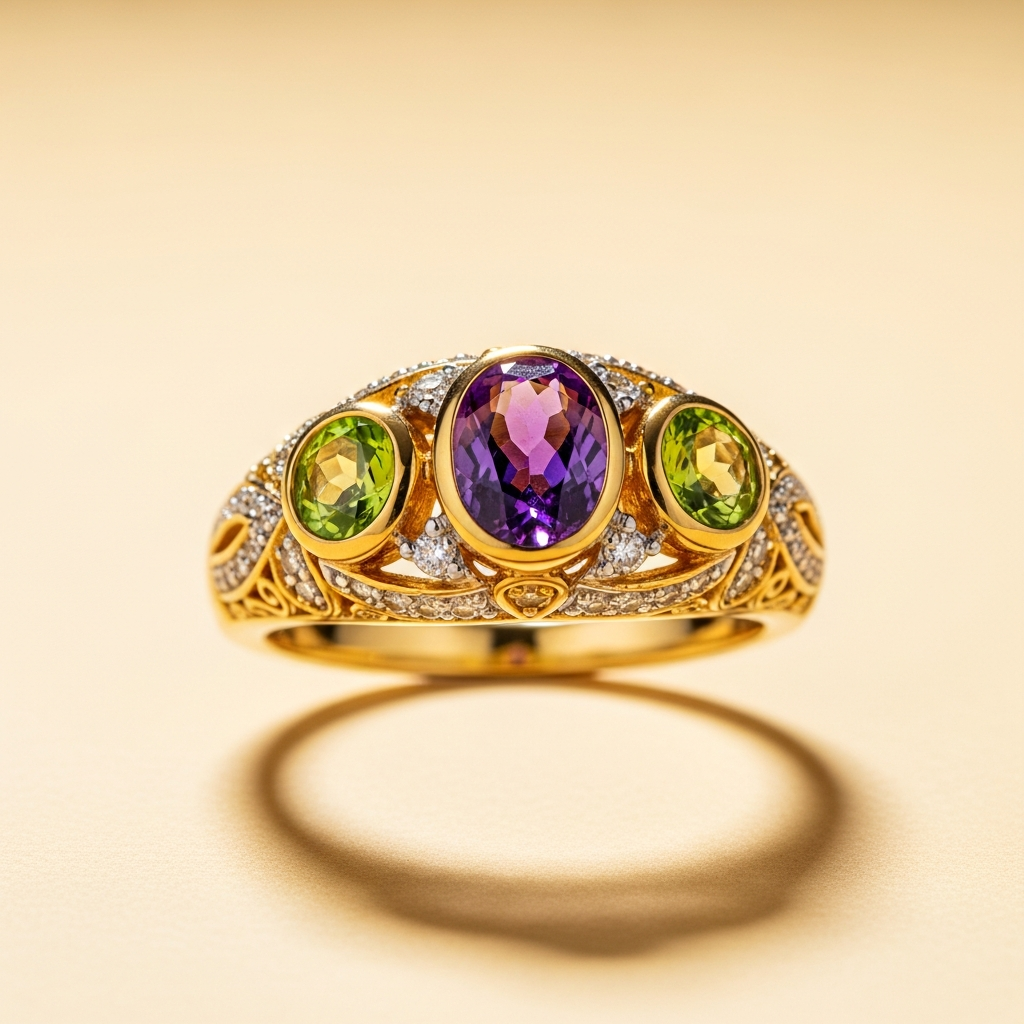
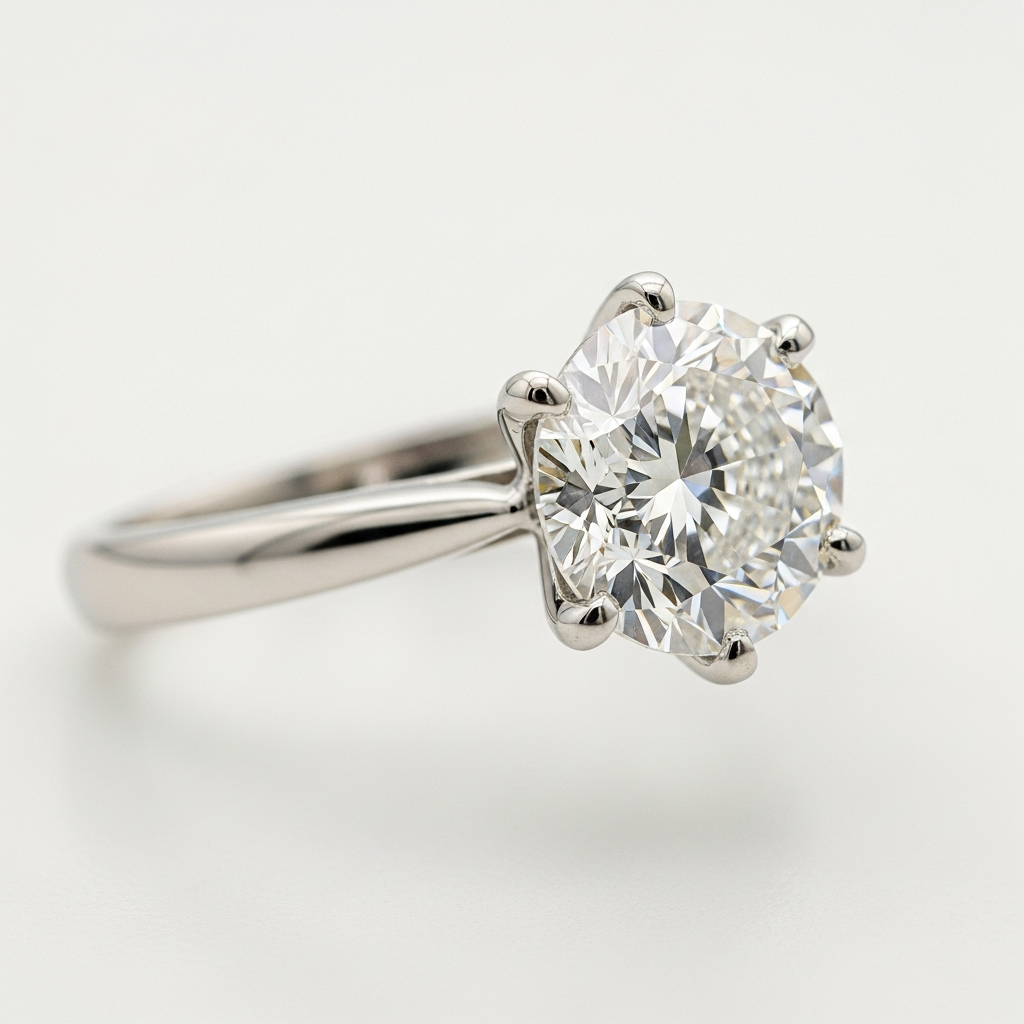
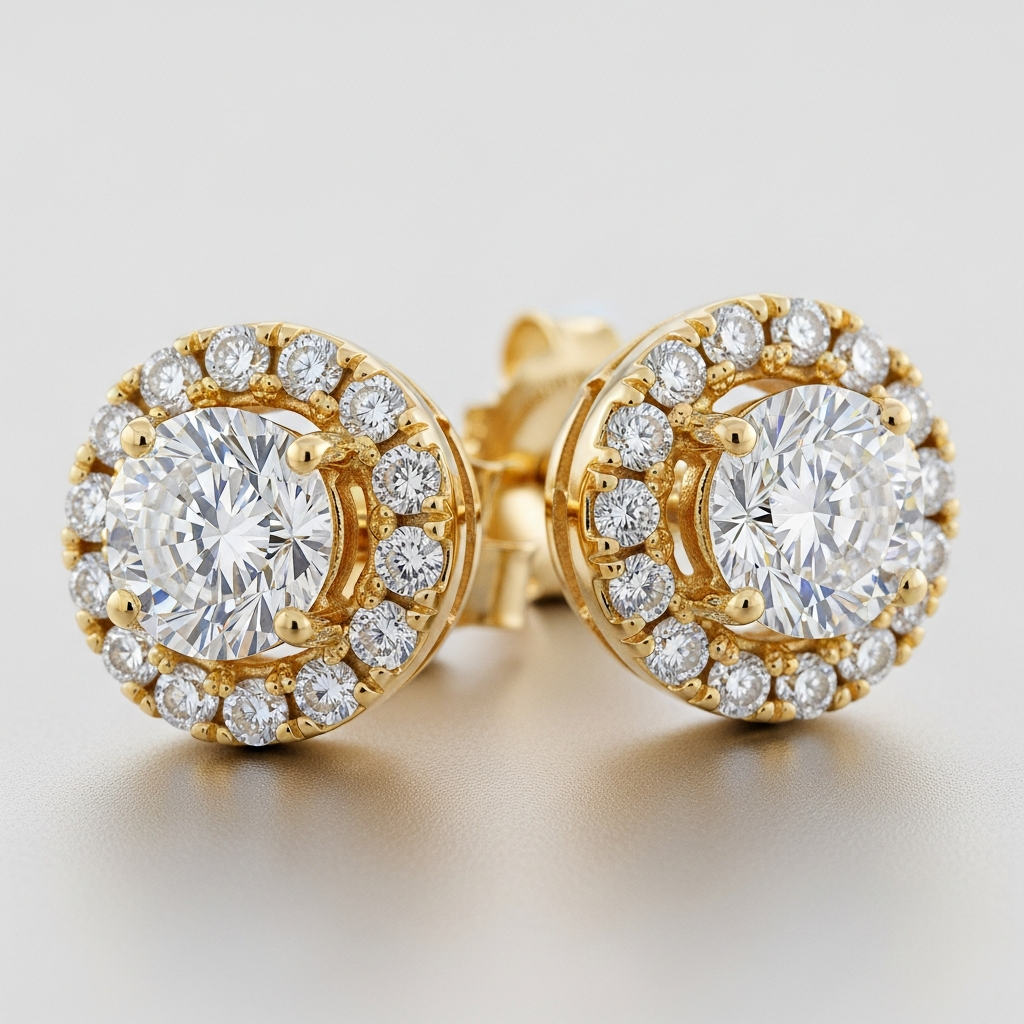
Shop the look
Pieces from our Stirling boutique that pair beautifully with this article.
- Typical rhodium plate lifespan on an 18ct white gold ring (daily wear)
- 18–24 months
- Cost of re-rhodium plating at Ian Gallacher Jewellers (2026)
- From £45
- Hardness of platinum vs 18ct white gold (Vickers scale)
- Platinum ~100 HV; 18ct white gold ~200 HV
Source: Ian Gallacher Jewellers workshop observation
Source: Ian Gallacher Jewellers — workshop pricing 2026
Source: Goldsmiths' Company metalworking reference data
“The most misunderstood property of platinum is that it's softer than gold in terms of scratch resistance. People expect it to stay pristine forever. In fact, platinum displaces rather than loses metal when scratched, which is why prongs last so much longer — but the surface patina is real and permanent unless you re-polish it.”
Frequently asked questions
Sources & further reading
- [1] Goldsmiths' Company — Caring for Jewellery — The Goldsmiths' Company (accessed 2026-04-01)
- [2] Edinburgh Assay Office — Metal Standards — Edinburgh Assay Office (accessed 2026-04-01)
- [3] National Association of Jewellers — Care Guidance — National Association of Jewellers (accessed 2026-04-01)
People also ask
- Does platinum scratch more than gold?
- How much does it cost to rhodium plate a ring?
- Can I shower with platinum jewellery?
- What is the white powder on my platinum ring?
Related reading
Buying Advice
How to Choose an Engagement Ring (UK Buyer's Guide 2026)
Diamond cut, metal choice, certification, finance and bespoke options — a Stirling jeweller's complete UK buyer's guide for 2026.
Guides
Lab-Grown vs Natural Diamonds: An Honest Comparison
Identical chemistry, very different price curves. A Stirling jeweller's plain-English comparison of lab-grown vs mined diamonds for engagement rings in 2026.

Care & Maintenance
How to Clean a Diamond Ring at Home: A Step-by-Step Guide
A jeweller's step-by-step guide to cleaning diamond rings at home — what works, what damages stones, and when to bring it in to the workshop instead.