

A wedding band is the piece of jewellery most people wear for every hour of every day of their adult lives. It will be worn in the sea, the gym, the operating theatre, the garden, and the office. It will be worn alongside the engagement ring for every day until further notice. And yet more customers spend less time choosing a wedding band than choosing a dress, a cake, or a playlist.
Here is a practical guide to making the right choice — in about the time it takes to read it.
The fundamental principle: the band must work with the ring it sits beside
For anyone who will wear a wedding band alongside an engagement ring, the single most important rule is: bring the engagement ring when you come in to choose the wedding band. We cannot over-emphasise this. The combination of the two rings on the same finger is what matters — not either ring individually.
What we're looking for when we see both rings together:
- Gap. A straight band pressed against a shouldered engagement ring often leaves a visible gap between the rings where the shoulder curves away. A fitted band eliminates this; choosing the right profile minimises it.
- Height. A band that is significantly thicker than the shank of the engagement ring looks awkward. Matching the shank width within 0.5–1mm produces the most pleasing stack.
- Metal and colour. As discussed below, the metals should match in appearance at minimum.
Choosing the profile
Court (comfort fit): The most popular profile in the UK. Rounded on both the outside and inside. It rolls over the knuckle easily and rotates comfortably on the finger. The profile you'll be most comfortable with after decades of continuous wear. We keep the full width range in stock.
D-shape (flat court): Flat on the outside, rounded on the inside. A slightly more architectural look; popular with people who prefer a cleaner edge line. The flat outside surface shows scratches more visibly than a court profile — relevant for people who do physical work.
Flat (piped): Flat on both surfaces. The most geometric and contemporary profile. Can feel slightly rigid compared to court and D-shape, particularly in wider widths. Tends to look more architectural and modern.
If you're not sure, try all three. We have examples of each in multiple widths. Most customers have a strong preference once they actually feel the difference.
Choosing the width
The right width depends on hand size, the width of the engagement ring shank, and personal preference. Our general guidance:
| Women's bands | Men's bands | |
|---|---|---|
| Narrow | 1.5–2mm | 3–4mm |
| Classic | 2.5–3mm | 4–5mm |
| Statement | 3.5–4mm | 6–7mm |
For a woman who will wear the band alongside an engagement ring, 2–3mm is almost always the right range — it sits snugly next to the engagement ring without dominating it. A very narrow band (1.5mm) can flex on the finger over time; we don't recommend below 2mm for daily wear.
Choosing the metal
Platinum: The most durable white metal for a wedding band. It develops a soft patina over years of wear that many people love, but it can be re-polished if not. The heaviest common jewellery metal — noticeably heavier on the finger than gold. More expensive than gold but lasts longer and holds stone settings more securely. Our recommendation for a wedding band that will be worn alongside a platinum engagement ring.
18ct yellow gold: Warm, classic, and more scratch-resistant than platinum (harder, though less ductile). Requires a polish every few years as wear accumulates. Lighter than platinum. Excellent for daily wear and resizes more easily.
18ct white gold: Requires rhodium plating every 18–36 months to remain bright white. Between platings, it will look slightly warmer in tone. A reasonable choice if cost is a factor; we prefer to match platinum engagement rings with platinum bands to avoid the replating cycle.
9ct yellow or white gold: Appropriate for budget-conscious choices or for a band that will be worn in working conditions where damage risk is higher. Less prestige; the gold content is lower. We make 9ct bands on request.
Engraving
Engraving inside the shank is traditional and meaningful. We hand-engrave using a pushgraver. Common choices: the wedding date, initials, a brief phrase, or coordinates. Engraving adds 5 working days; allow for this in your timeline. We will not engrave a ring that doesn't fit — always get the size right first.
Book your wedding band consultation at 7 Murray Place, Stirling — call 01786 462799 or drop in Mon–Sat 09:30–17:00. Bring the engagement ring.
Shop the look
Pieces from our Stirling boutique that pair beautifully with this article.
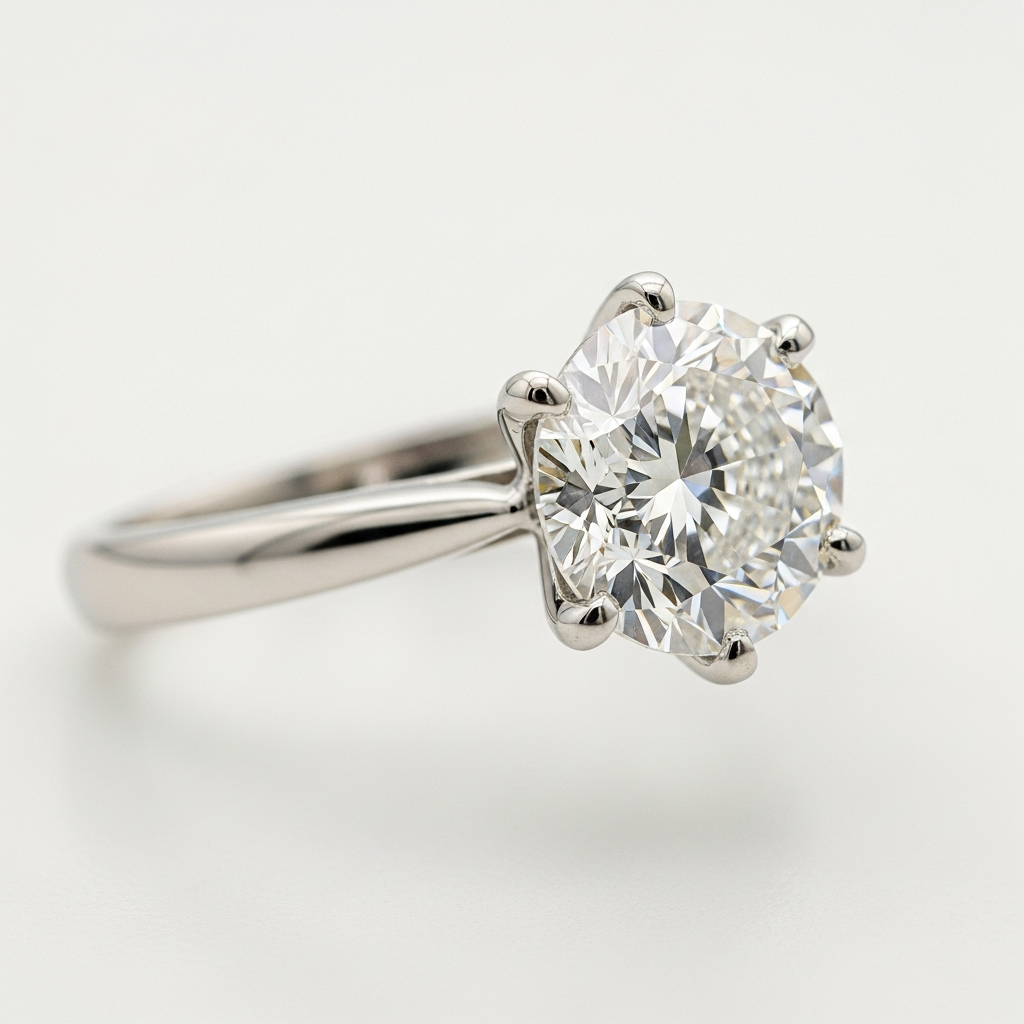
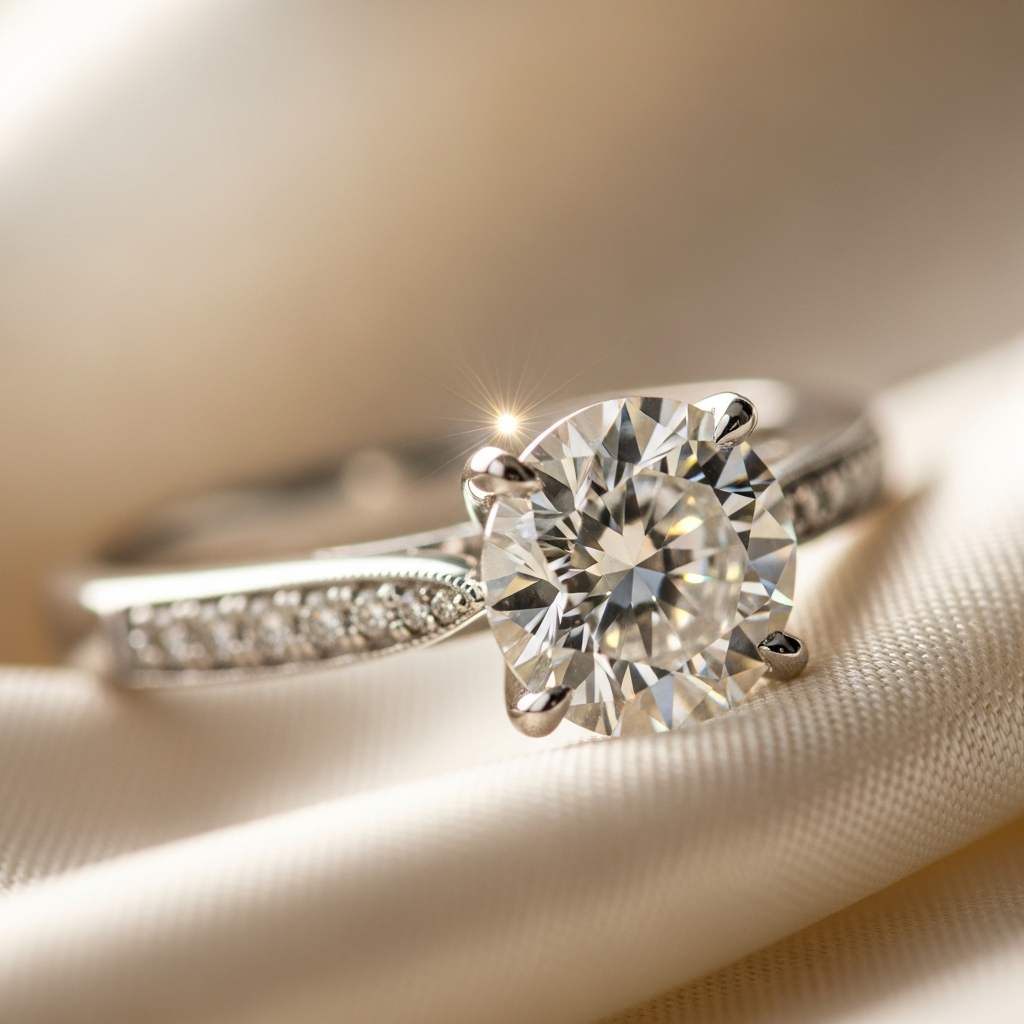
- Most popular wedding band metal in the UK (2025)
- Platinum (52%)
- Most popular wedding band profile
- Court (comfort fit)
- Recommended minimum width for daily wear (comfort)
- 2.5–3mm
Source: National Association of Jewellers — Wedding Jewellery Report 2025
Source: Ian Gallacher Jewellers — 2025 wedding band sales
Source: Ian Gallacher Jewellers — workshop recommendation
“The most common mistake we see is choosing a wedding band that is either too wide or too flat to sit flush against a shaped engagement ring setting. Ten minutes trying different profiles and widths next to the actual engagement ring in the showroom prevents twenty years of annoyance. Always bring the engagement ring when you come in.”
Frequently asked questions
Sources & further reading
- [1] National Association of Jewellers — Wedding Jewellery Consumer Report 2025 — National Association of Jewellers (accessed 2026-04-05)
- [2] Edinburgh Assay Office — Hallmarking for Wedding Bands — Edinburgh Assay Office (accessed 2026-04-05)
- [3] Goldsmiths' Company — Wedding Band Guidance — The Goldsmiths' Company (accessed 2026-04-05)
People also ask
- Does a wedding band have to match the engagement ring?
- What is the most comfortable wedding ring profile?
- Can you buy a wedding ring without getting married?
- What is the most popular width for a women's wedding band?
Related reading

Buying Advice
Court vs D-Shape vs Flat: Wedding Band Profiles Compared
The shape of a wedding band's cross-section changes how it feels, how it sits next to an engagement ring, and how it wears over decades. A Stirling jeweller's side-by-side comparison.
Buying Advice
How to Choose an Engagement Ring (UK Buyer's Guide 2026)
Diamond cut, metal choice, certification, finance and bespoke options — a Stirling jeweller's complete UK buyer's guide for 2026.

Buying Advice
Ring Sizing Guide: How to Find Your Ring Size at Home (UK)
UK ring sizes explained — how to measure at home, when finger size changes, what to do if you're between sizes, and how free resizing works at Ian Gallacher Jewellers.